


Baroque
Any pearl with no axis of symmetry. Once treated as a reject, now the shape most associated with contemporary pearl design.
Baroque covers everything irregular: lumpy, curved, ridged, twisted. No two are the same, which is precisely the appeal.
Because baroque pearls are usually tissue-nucleated and solid nacre, they often out-shine round pearls. The uneven surface catches light from more angles at once.
The pricing logic inverts here. In round pearls you pay for conformity; in baroque you pay for character, so an interesting shape can be worth more than a tidier one.
When you are buying
Baroque is the answer to the most common objection we hear about pearls, which is that they look old-fashioned. Nothing about a baroque strand reads as traditional.
Baroque pearl jewellery
55 pieces in the collection right now, from ₹1,500.
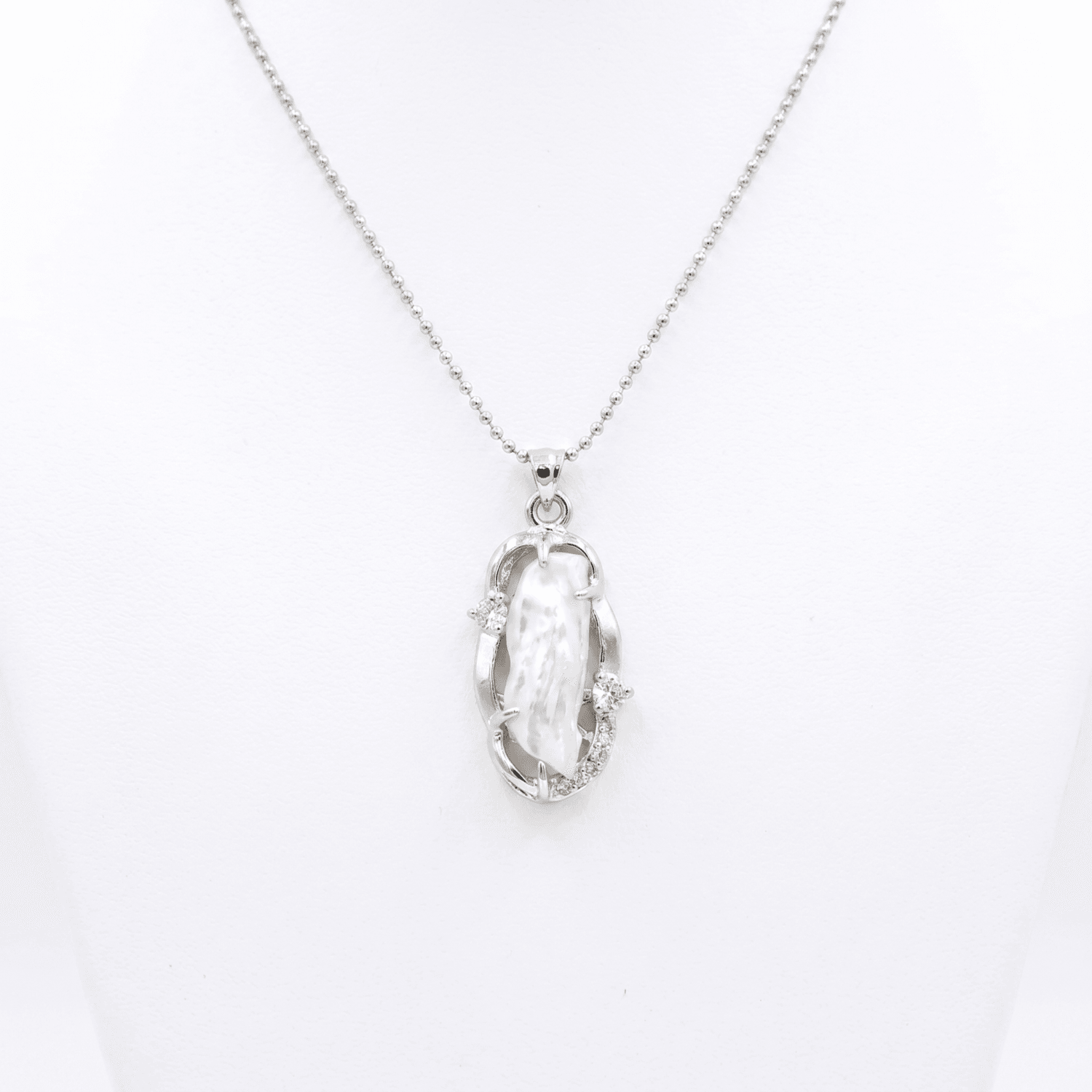
Artistic Silver Finish Pendant Accentuated With White Baroque Pearl & CZ
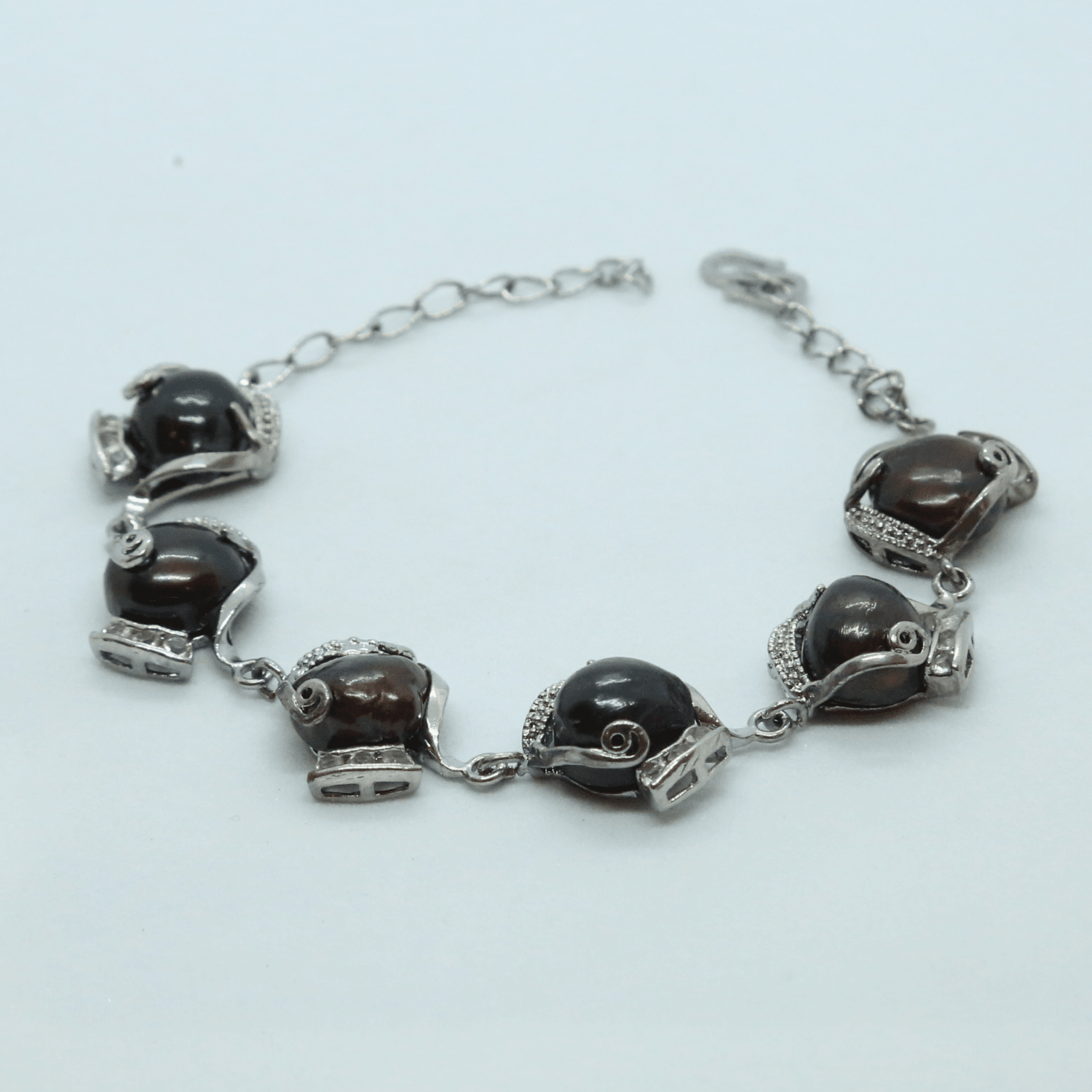
Bold Black & Brown Baroque Pearls Bracelet
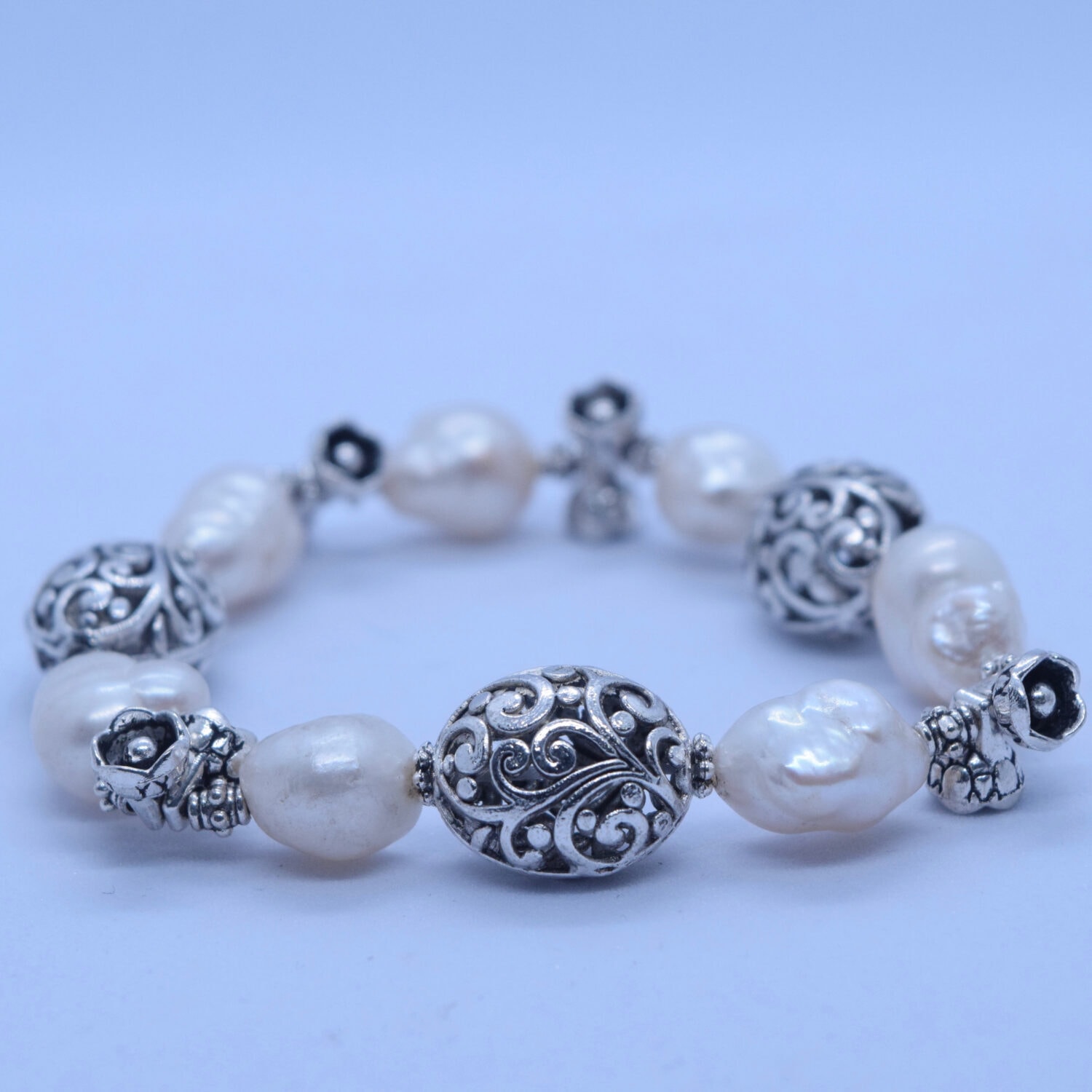
Stunning Baroque Pearls Bracelet With Ornate Spacers
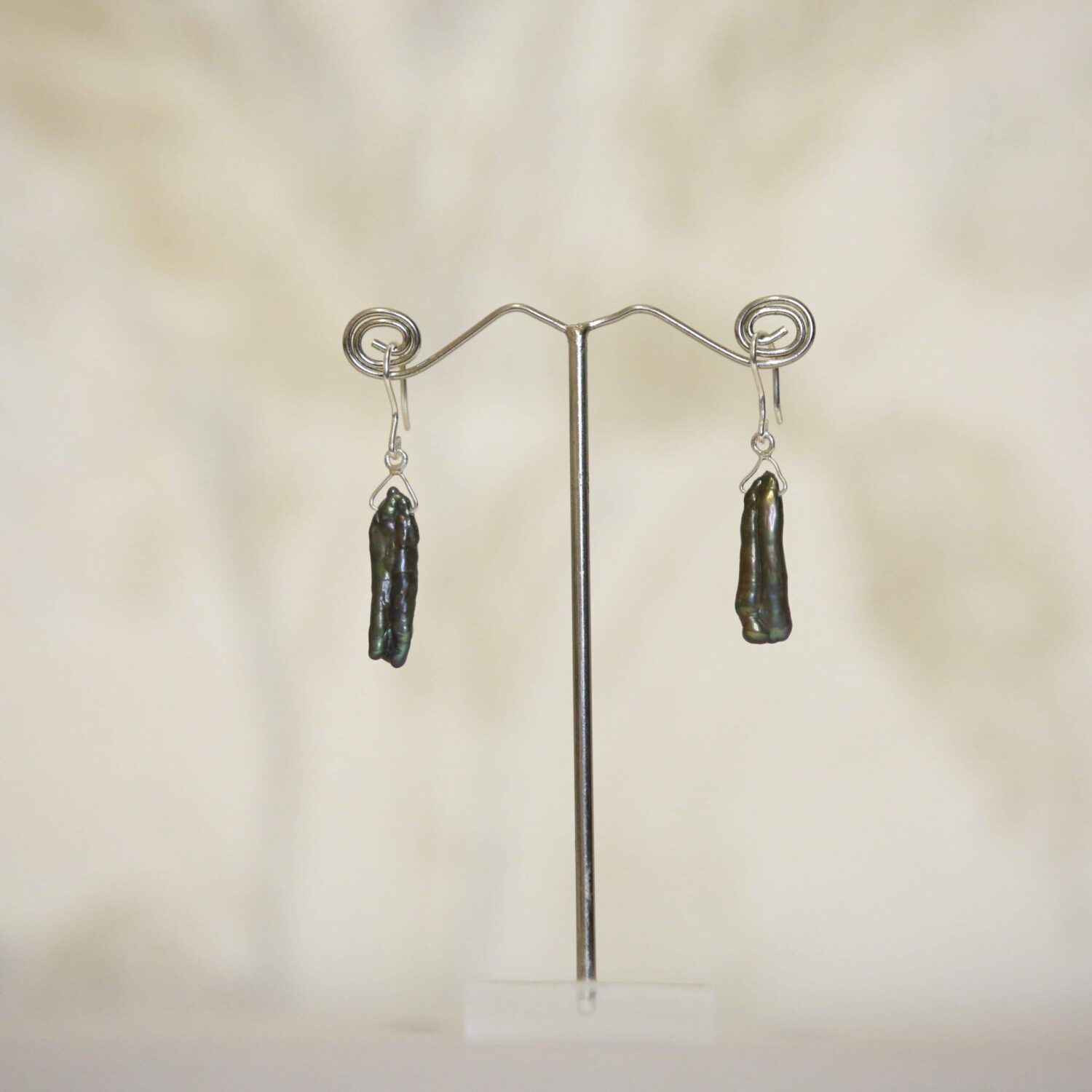
Sleek 925 Silver Hook Earrings Featuring Multicoloured Baroque Pearls
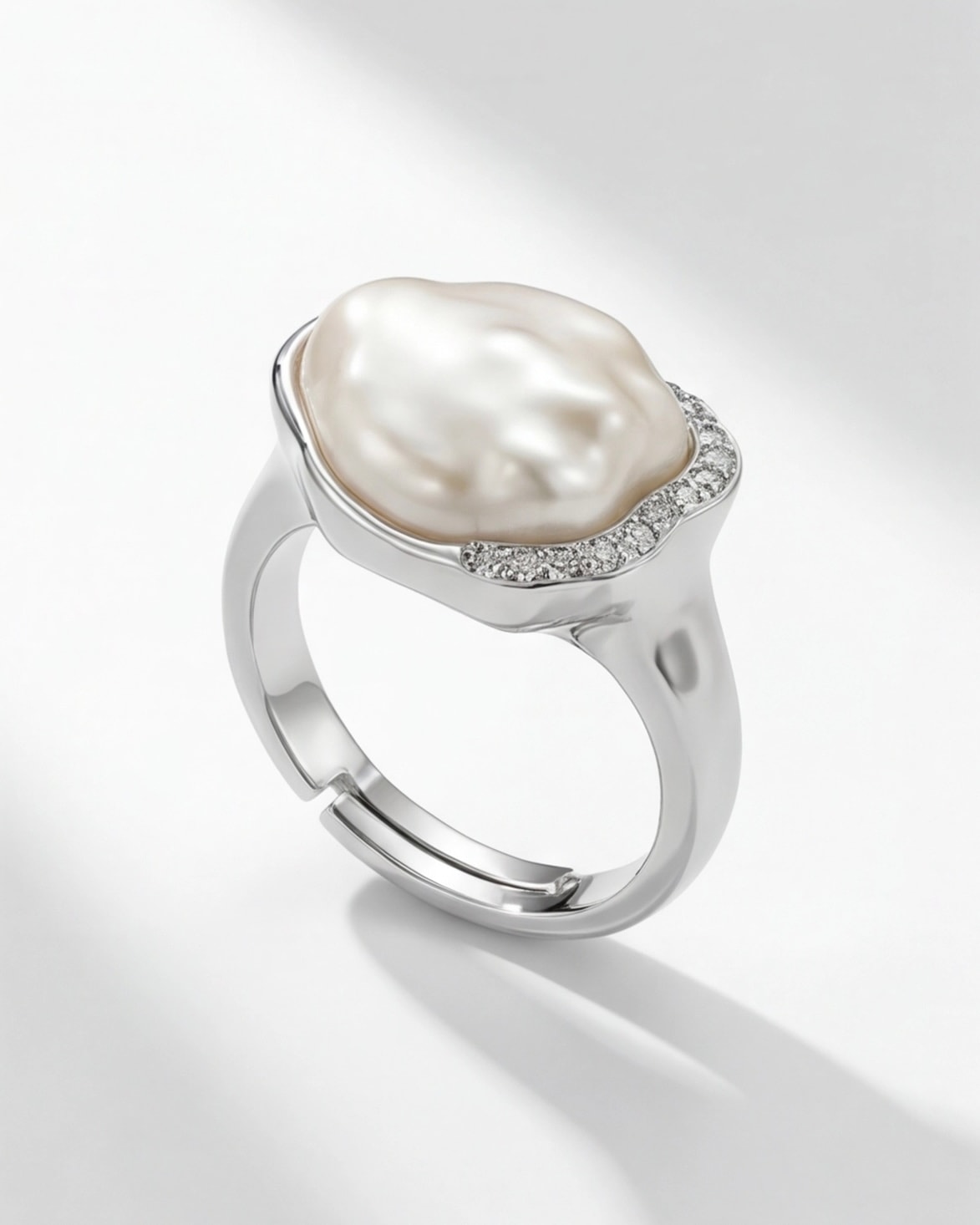
The Ivory Cloud Ring
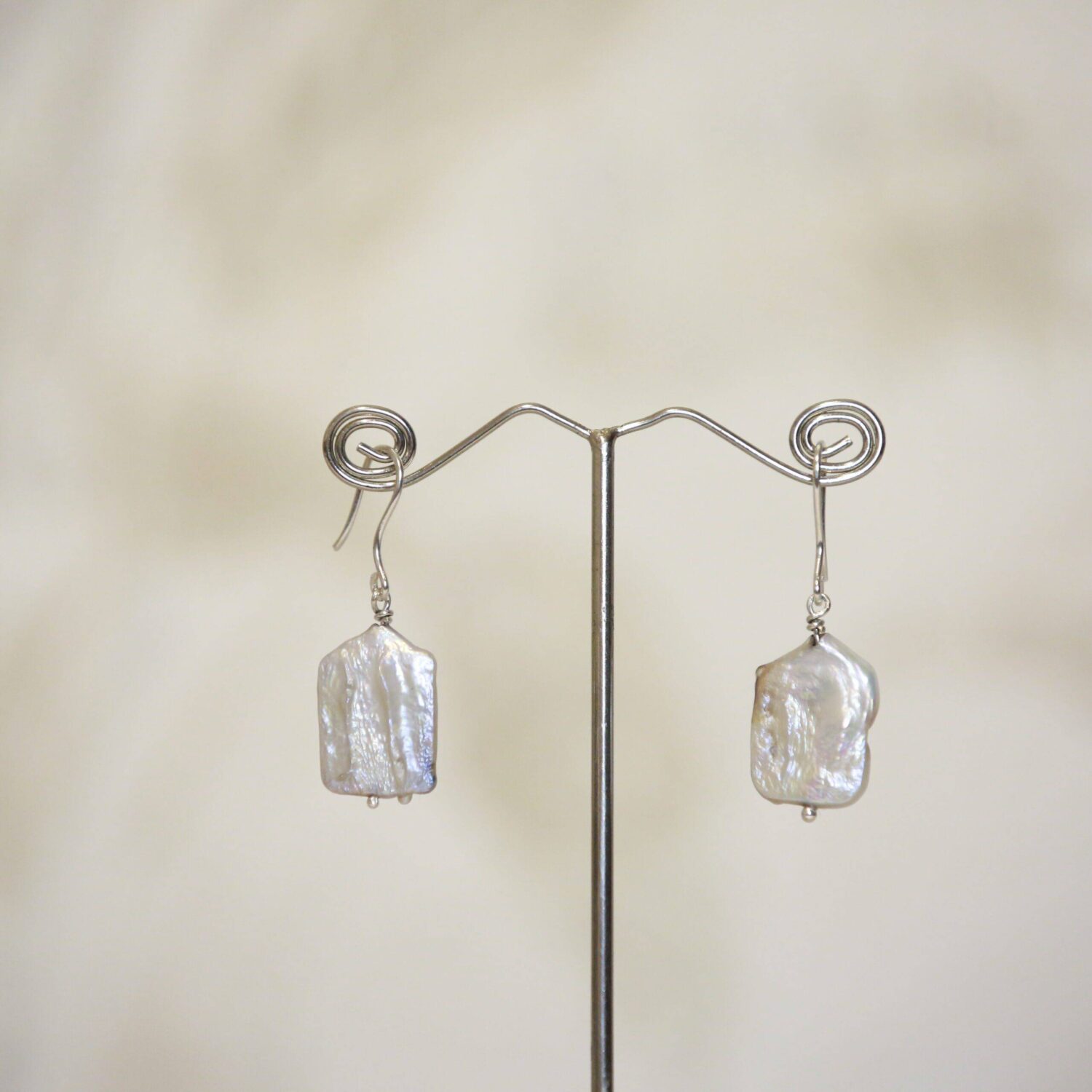
Lovely 925 Silver Hook Earrings Featuring White Baroque Pearls
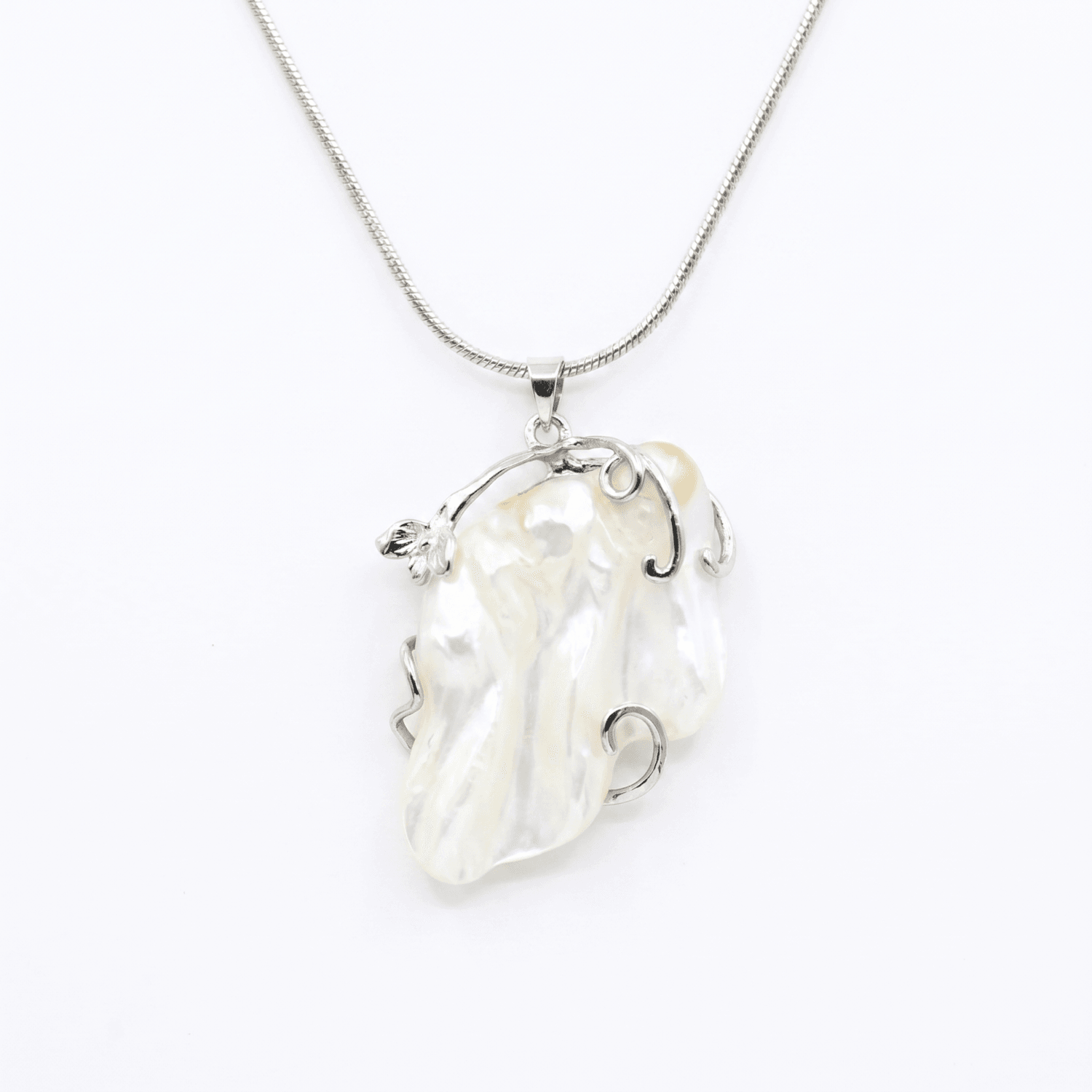
Exquisite Silver Finish Pendant Accentuated With Large White Baroque Pearl
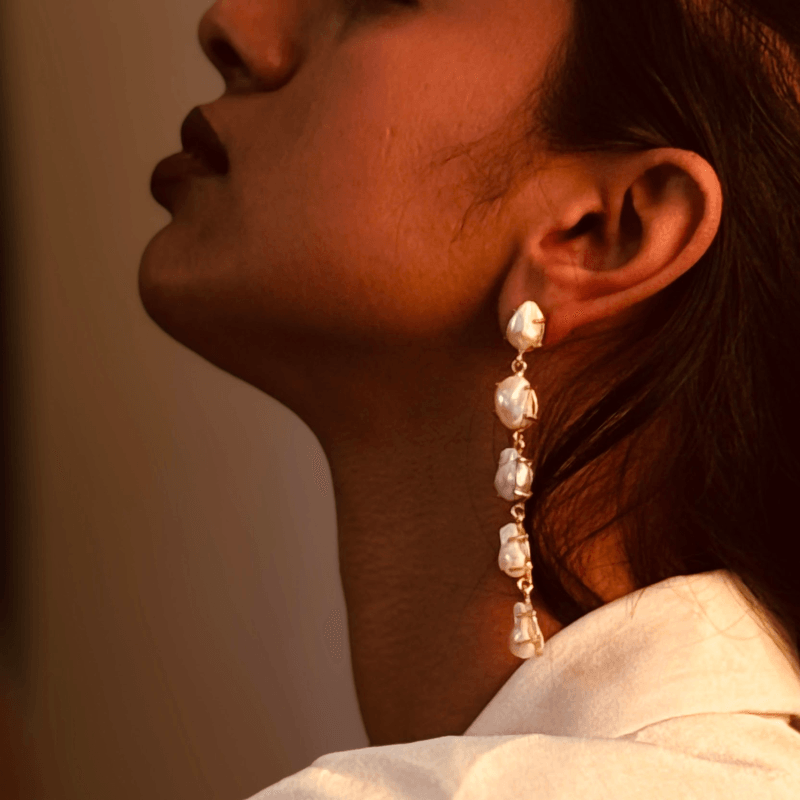
The Luminous Trail Earrings
Biwa Pearl
A long, flat, stick-shaped freshwater pearl, originally from Lake Biwa in Japan. Now a shape name more than an origin.
Keshi Pearl
A pearl that forms by accident with no nucleus at all, so it is solid nacre. Irregular in shape and unusually bright.
Lustre
How sharply a pearl reflects light. The single most important quality factor, and the one you can judge without any training.
Round
A true sphere. The rarest and most expensive pearl shape, and the benchmark every other shape is priced against.