


Know exactly what you are buying
300 pearl and jewellery terms, each one linked to a piece you can hold.
Where would you like to begin?
Types of Pearl
Freshwater, saltwater, South Sea, keshi, and how to tell a real pearl from a coated bead.
Shapes
Round, baroque, drop, coin and the rest, and what each one is worth paying for.
Quality & Grading
What AAA actually means, plus lustre, nacre, orient and the claims to be sceptical of.
Size & Length
Millimetres, choker to rope, bangle sizing, and which length suits which neckline.
Jewellery Styles
Jhumka, mangalsutra, kundan, polki, temple work and the rest of the Indian vocabulary.
Gold & Hallmarking
Karat versus carat, 22K and 18K, 916, plating, vermeil and what a BIS hallmark proves.
Gemstones & Cuts
Ruby, emerald, sapphire and zircon, their Indian names, and the cuts from princess to cabochon.
Metals & Plating
925 silver, platinum, brass and the alloys and finishes a piece is actually built from.
Clasps & Construction
Clasps, knotting, drilling and settings, the parts that decide whether a piece survives.
Care & Authenticity
Storing pearls, the tooth test, restringing, and the astrological terms buyers ask about.
Buying & Value
Making charges, wastage, gold rate, GST, buyback and what a piece is actually worth.
Every term
1–24 of 300
14 Karat Gold
58.5% gold. Hard, durable and common in export and Western jewellery, less so in India.
18 Karat Gold
75% gold. Harder and more durable than 22K, which is why stone-set and Western-style jewellery uses it.
22 Karat Gold
91.6% gold. The Indian standard for traditional jewellery, and what a 916 hallmark means.
24 Karat Gold
Pure gold, 99.9% fine. Too soft for jewellery that gets worn, so it is bought as coins and bars.
750 Gold
The hallmark number for 18 karat gold, meaning 75% pure.
916 Gold
The hallmark number for 22 karat gold, meaning 91.6% pure. The same thing as 22K.
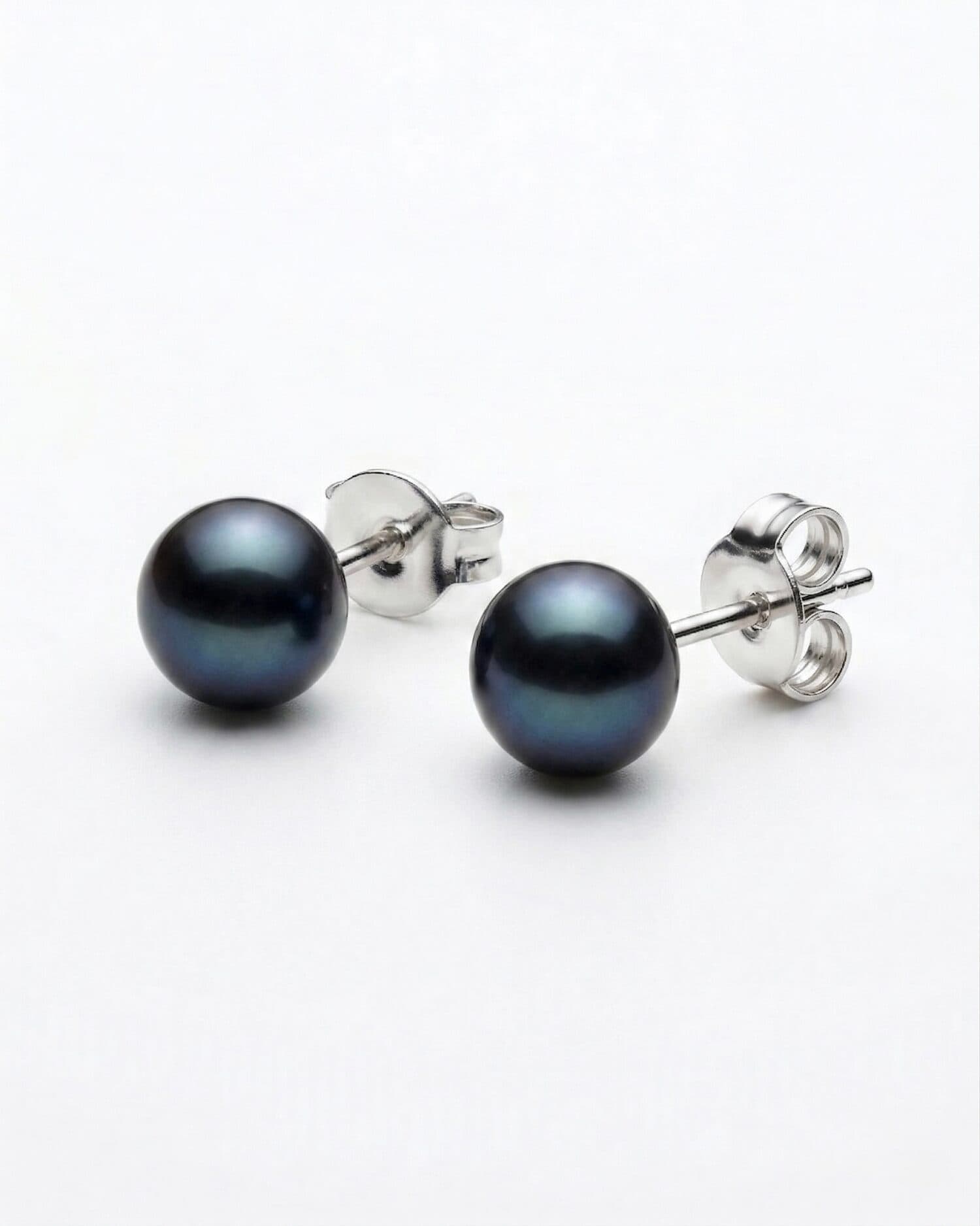
925 Sterling Silver
An alloy of 92.5% silver with 7.5% other metals, usually copper. The international standard for silver jewellery.
35 in stock · from ₹1,800
AA Grade
Good lustre with visible but minor surface marking. The everyday-wear grade, and where most sensible value sits.
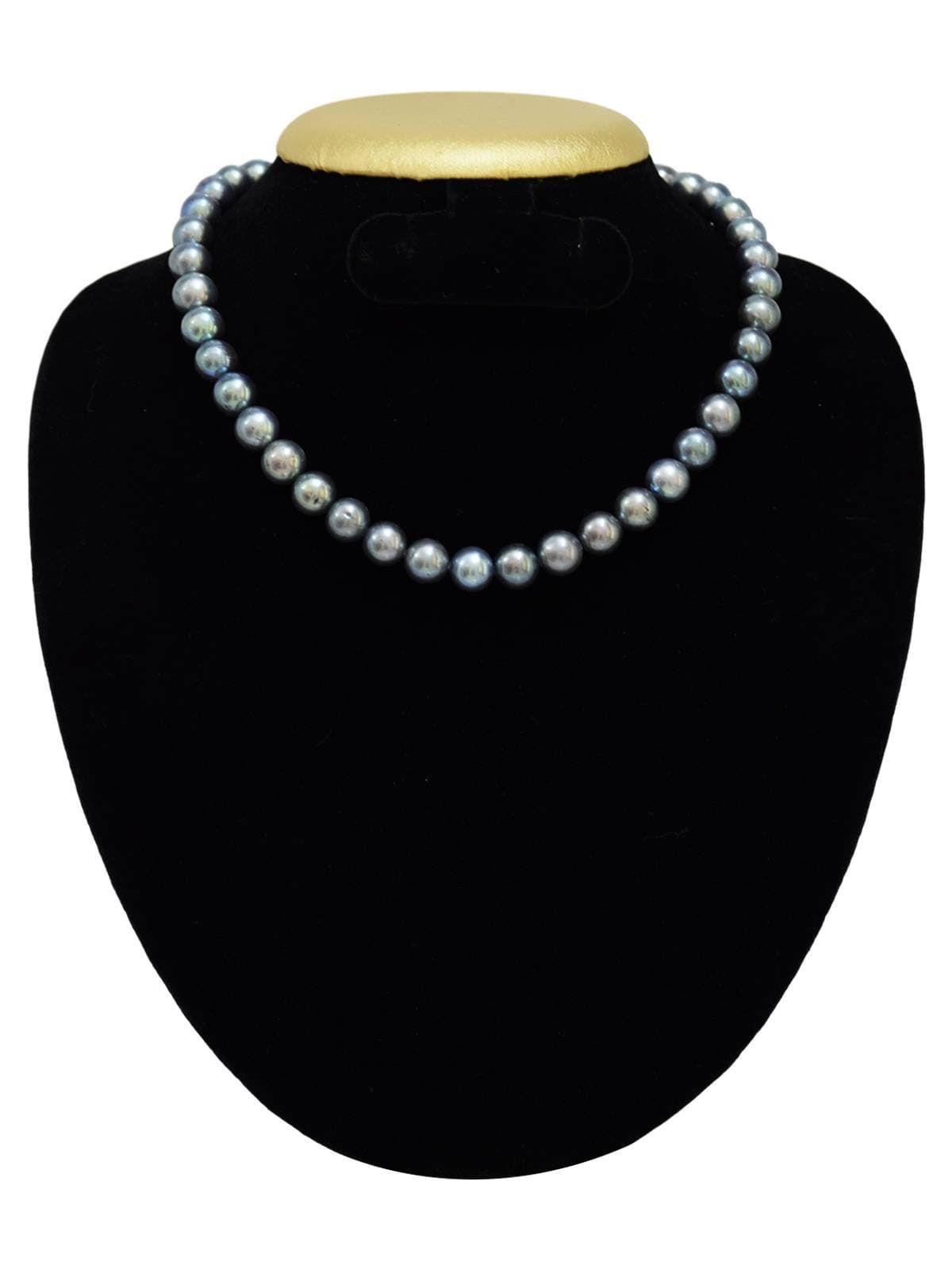
AAA Grade
The top of the standard pearl scale: sharp lustre, near-clean surface, well matched, and shape true to its type.
186 in stock · from ₹9,500
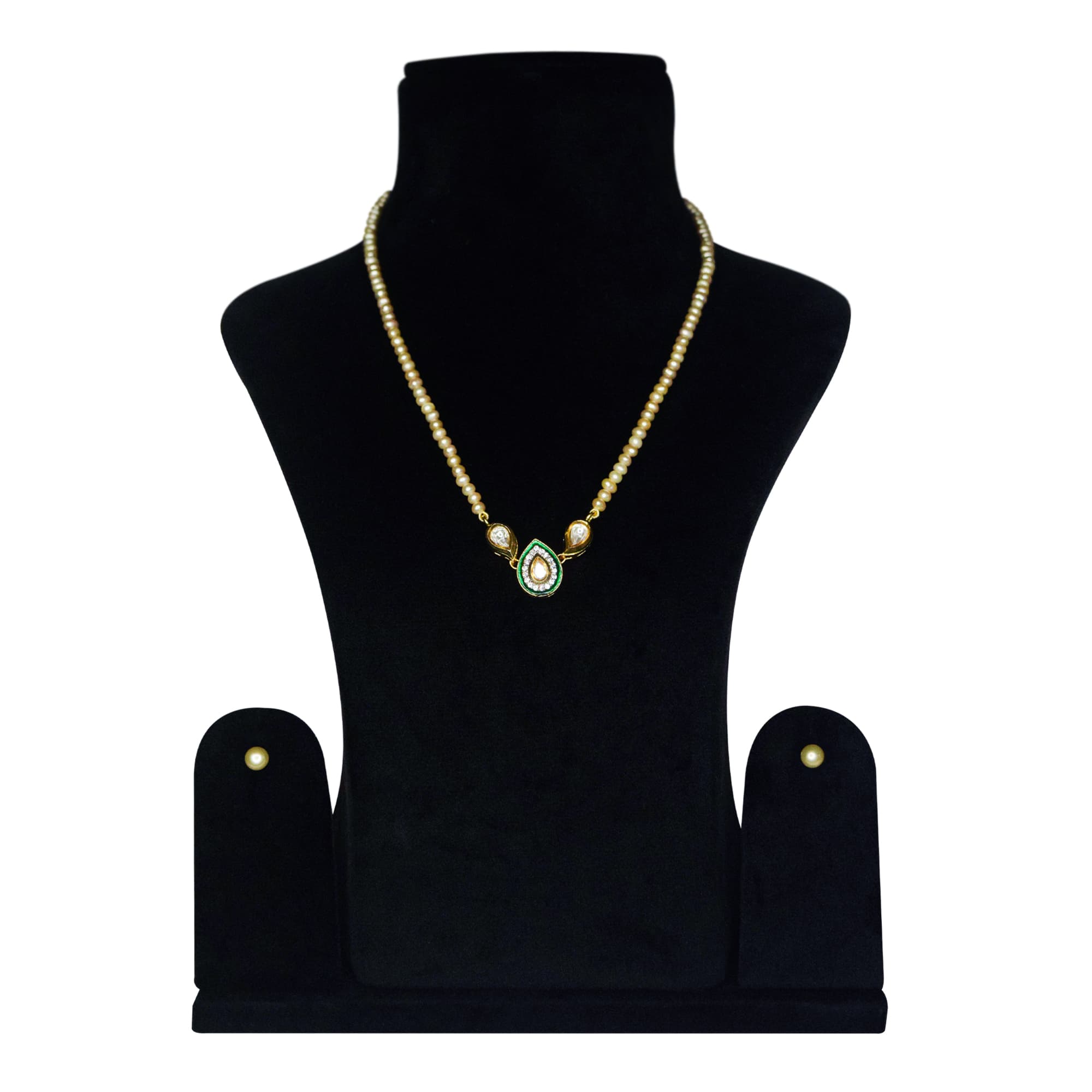
Aad
A Rajasthani choker: a broad, flat, rectangular plate of stone-set work sitting square at the base of the throat.
Abalone Pearl
A natural pearl from an abalone, usually horn-shaped and intensely iridescent. One of the rarest pearls there is.
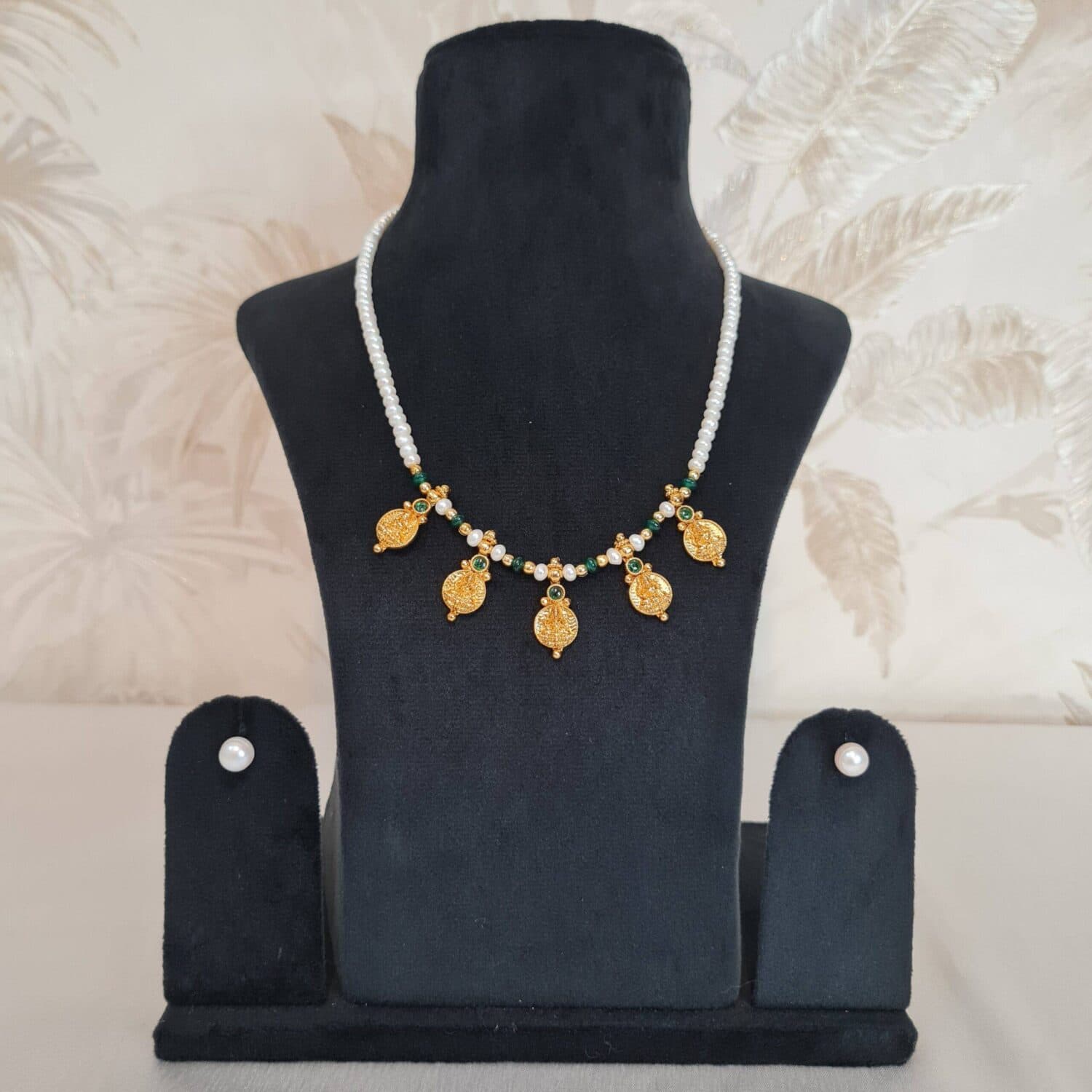
Addigai
A close-fitting South Indian choker, densely stone-set and curved to follow the base of the neck.
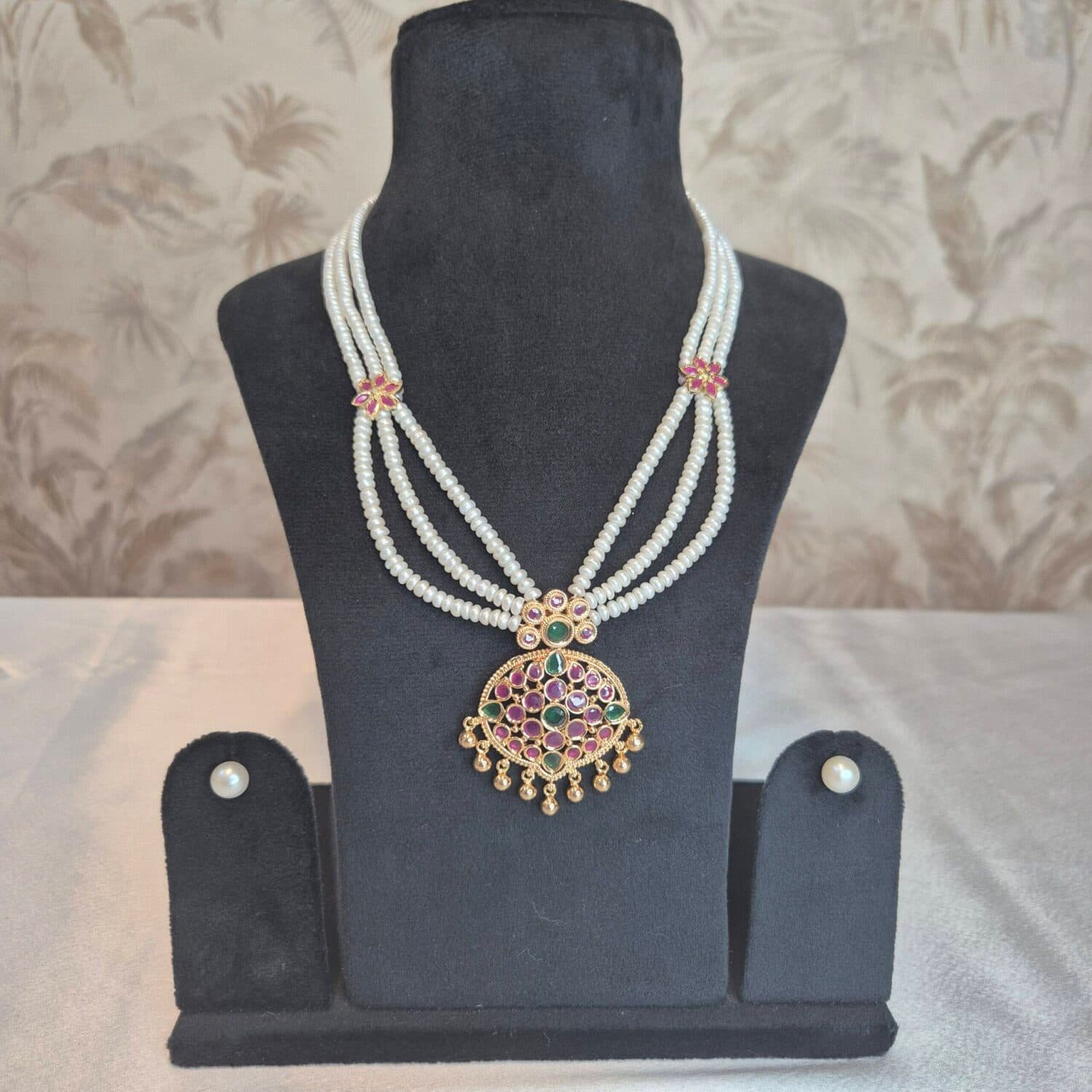
Adjustable
A necklace or bracelet with an extension chain, letting the wearer add an inch or two.
1 in stock · from ₹12,350
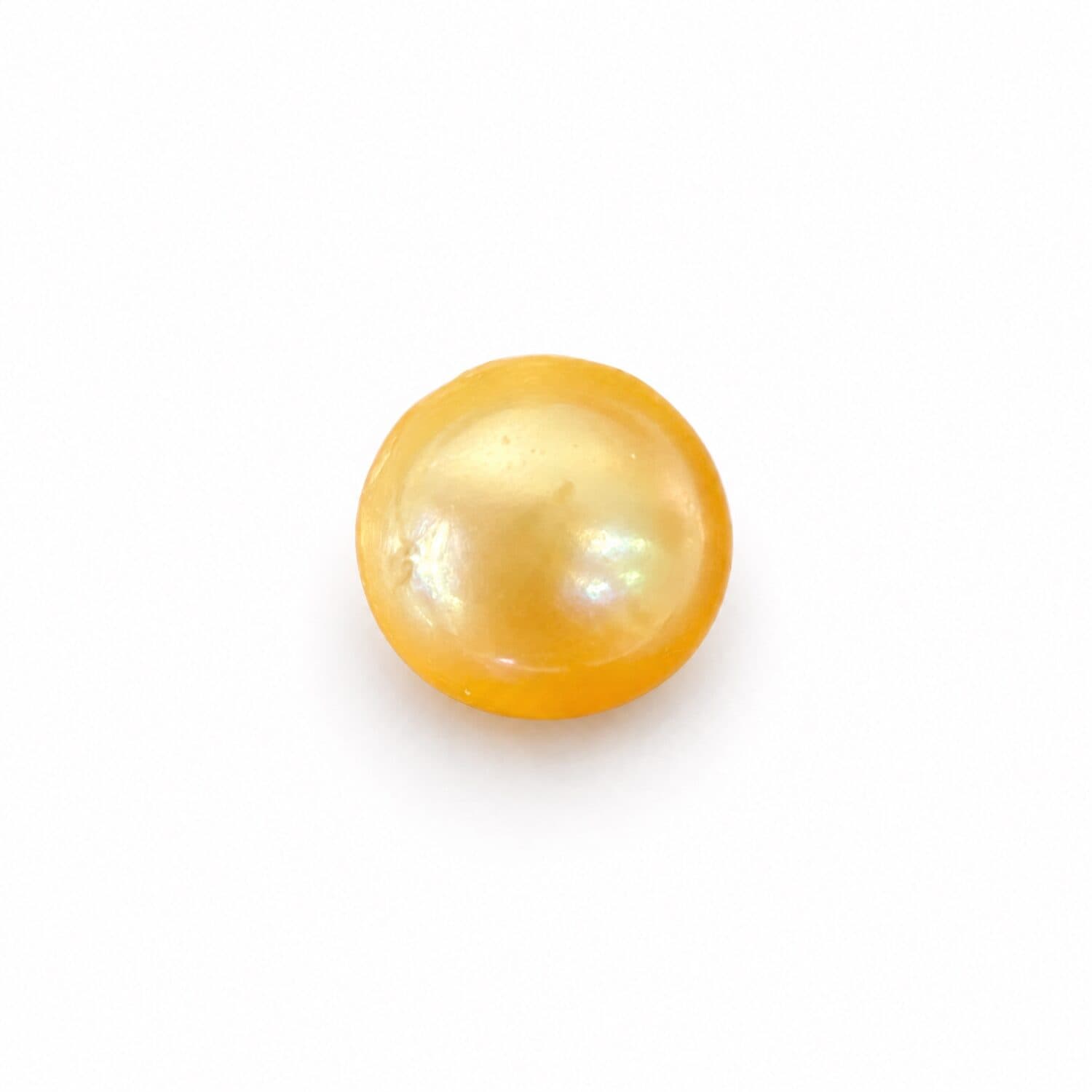
Akoya Pearl
The classic small round white saltwater pearl from Japan and China, usually 5mm to 9mm. The pearl in a traditional single-strand necklace.
66 in stock · from ₹7,245
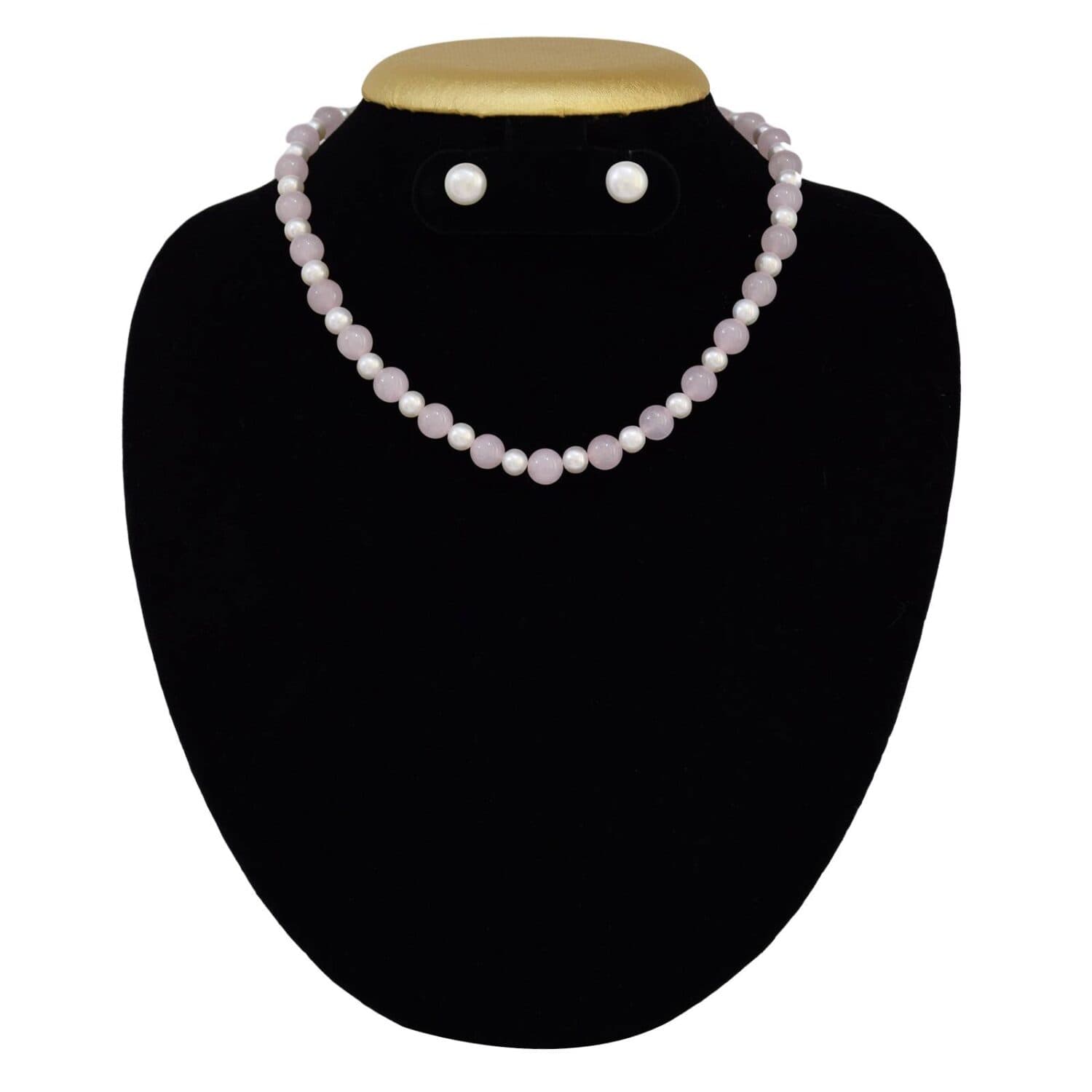
Amethyst
The purple variety of quartz. Affordable, widely available, and hard enough for everyday wear.
16 in stock · from ₹3,750
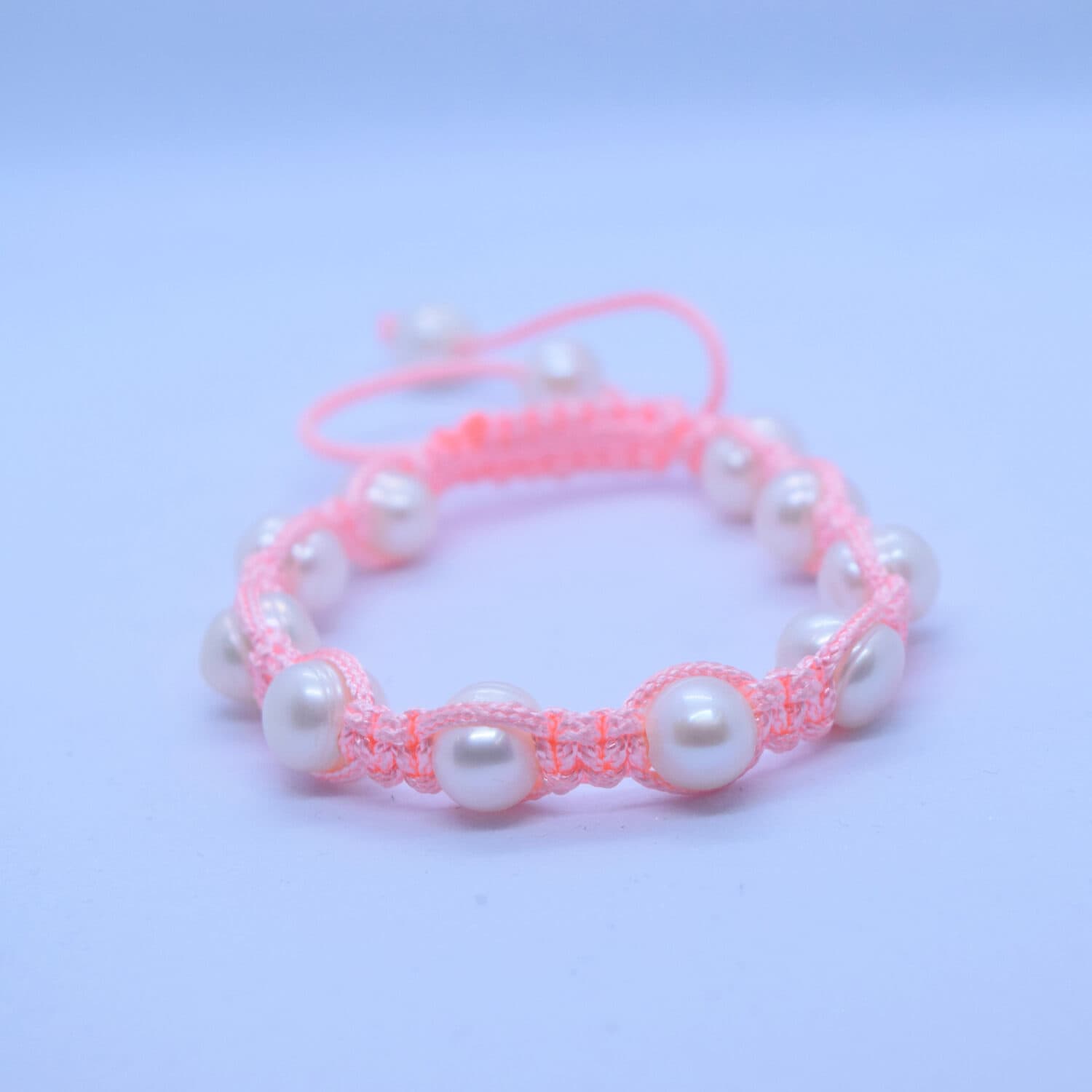
Anklet
A chain worn around the ankle, called payal in the north and kolusu in the south.
Annealing
Heating metal to soften it after working, so it can be bent further without cracking.
Aquamarine
The pale blue variety of beryl, the same mineral family as emerald. Usually clean and untroubled.
Assay
The laboratory test that establishes how much gold is actually in a piece.
Asscher Cut
A square step cut with deeply cut corners, giving a distinctive concentric hall-of-mirrors effect.
Baguette Cut
A small rectangular step cut, used almost entirely as a side stone flanking a larger centre.
Bail
The loop connecting a pendant to its chain. Its inner width caps what chain the pendant will fit.
Bajuband
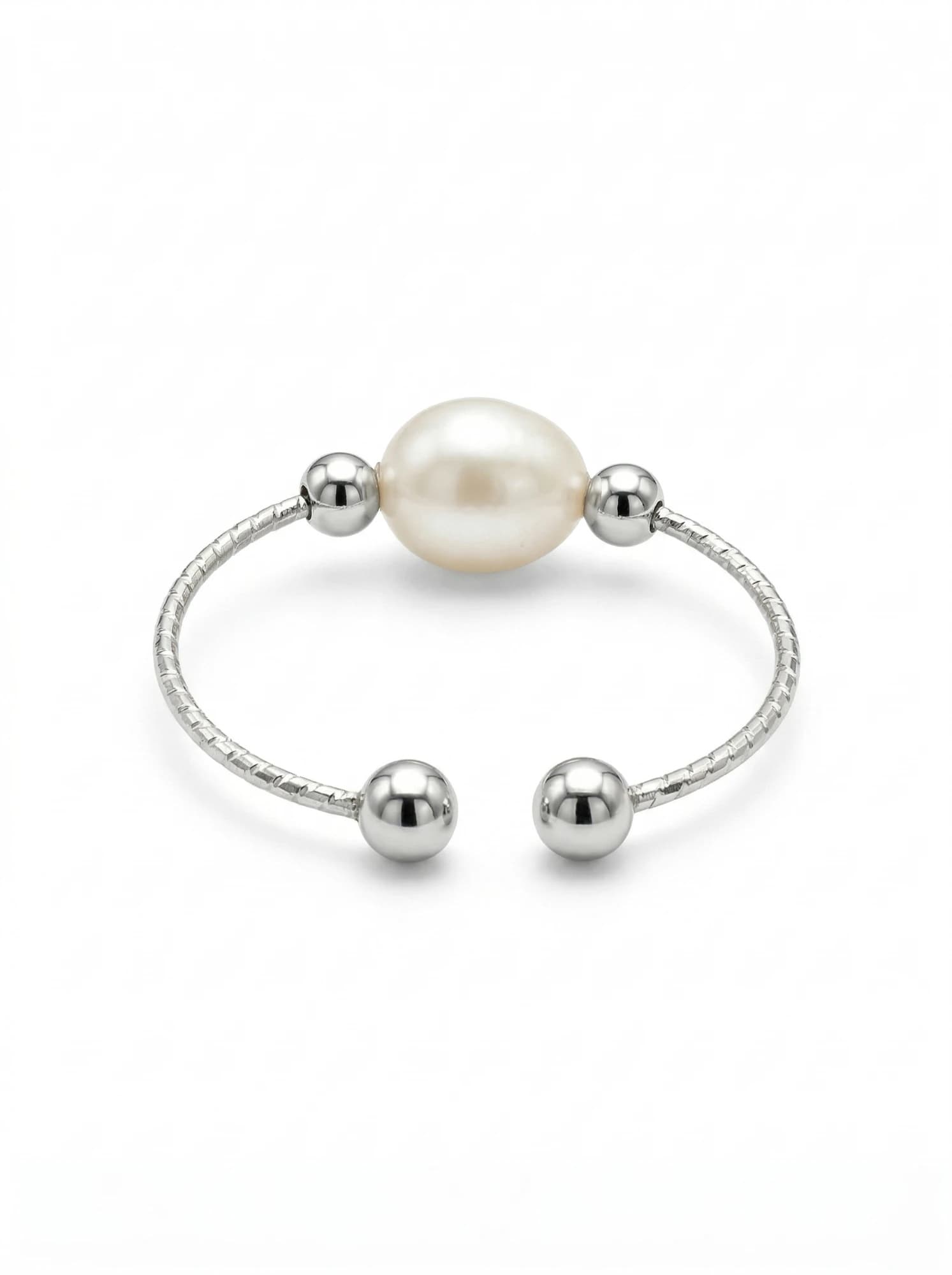
An armlet worn on the upper arm, tied or clasped. Called vanki in South India.
Bali
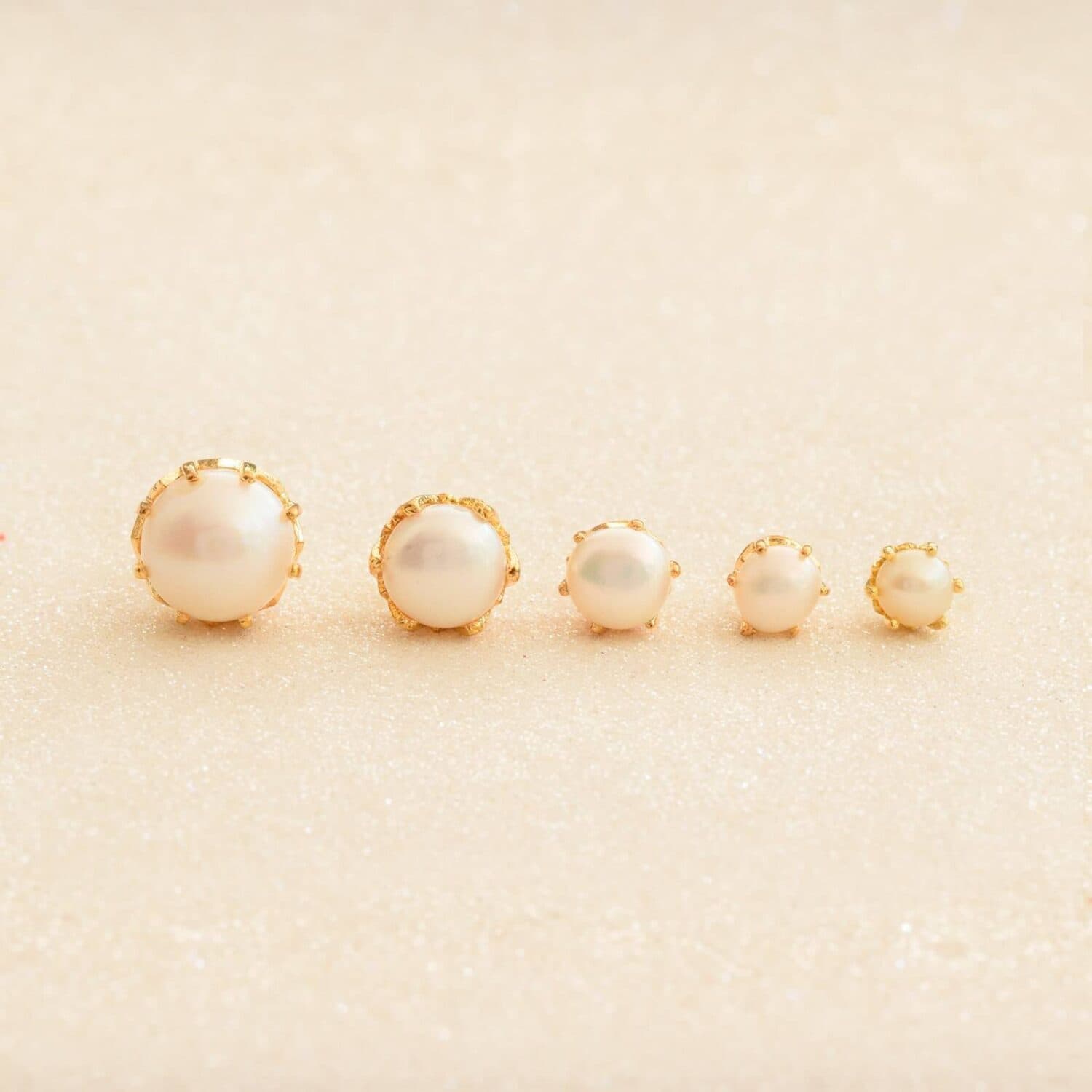
A hoop earring. In Indian jewellery, often strung with pearls or beads around the ring.