

Know exactly what you are buying
300 pearl and jewellery terms, each one linked to a piece you can hold.
Where would you like to begin?
Types of Pearl
Freshwater, saltwater, South Sea, keshi, and how to tell a real pearl from a coated bead.
Shapes
Round, baroque, drop, coin and the rest, and what each one is worth paying for.
Quality & Grading
What AAA actually means, plus lustre, nacre, orient and the claims to be sceptical of.
Size & Length
Millimetres, choker to rope, bangle sizing, and which length suits which neckline.
Jewellery Styles
Jhumka, mangalsutra, kundan, polki, temple work and the rest of the Indian vocabulary.
Gold & Hallmarking
Karat versus carat, 22K and 18K, 916, plating, vermeil and what a BIS hallmark proves.
Gemstones & Cuts
Ruby, emerald, sapphire and zircon, their Indian names, and the cuts from princess to cabochon.
Metals & Plating
925 silver, platinum, brass and the alloys and finishes a piece is actually built from.
Clasps & Construction
Clasps, knotting, drilling and settings, the parts that decide whether a piece survives.
Care & Authenticity
Storing pearls, the tooth test, restringing, and the astrological terms buyers ask about.
Buying & Value
Making charges, wastage, gold rate, GST, buyback and what a piece is actually worth.
Types of Pearl
1–24 of 35
Abalone Pearl
A natural pearl from an abalone, usually horn-shaped and intensely iridescent. One of the rarest pearls there is.
Akoya Pearl
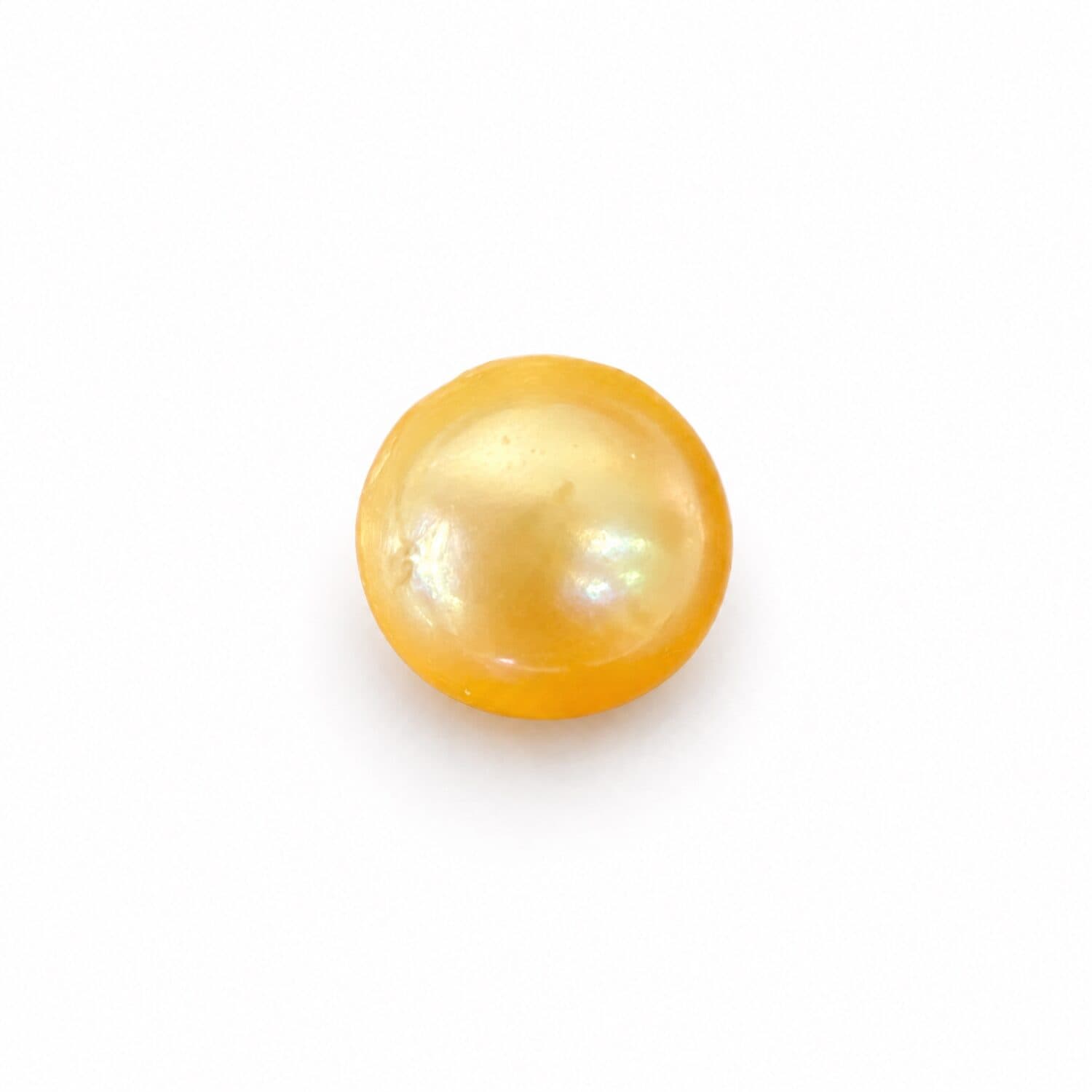
The classic small round white saltwater pearl from Japan and China, usually 5mm to 9mm. The pearl in a traditional single-strand necklace.
66 in stock · from ₹7,245
Bead Nucleated
Grown around a round shell bead, so the pearl is a nacre shell over a core. The saltwater method, and how roundness is achieved.
Biwa Pearl
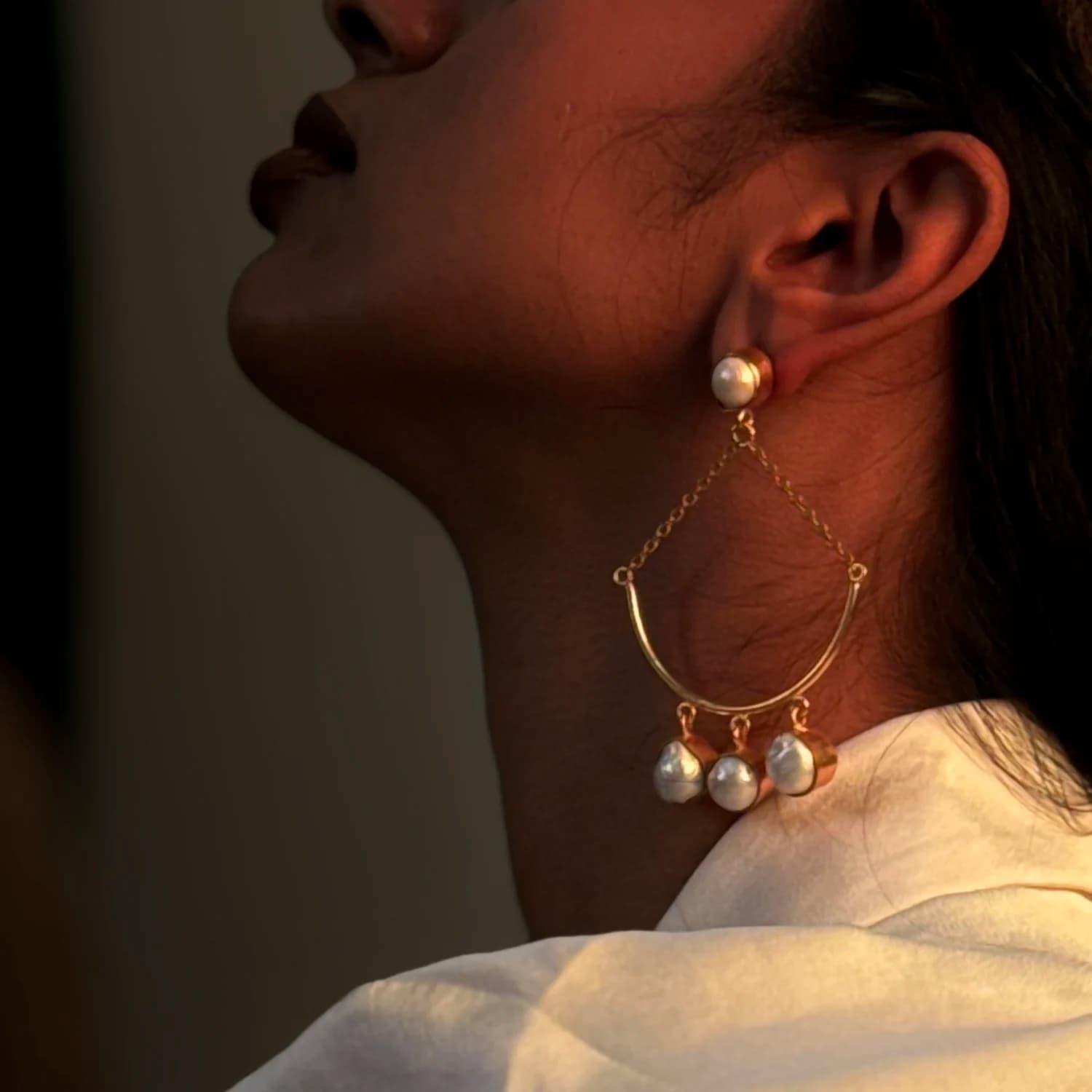
A long, flat, stick-shaped freshwater pearl, originally from Lake Biwa in Japan. Now a shape name more than an origin.
23 in stock · from ₹3,500
Blister Pearl
A pearl that grew attached to the shell wall, so it is domed on one side and open on the other.
Conch Pearl
A pink, non-nacreous pearl from the queen conch, prized for a flame-like surface pattern. Cannot be cultured commercially.
Cultured Pearl
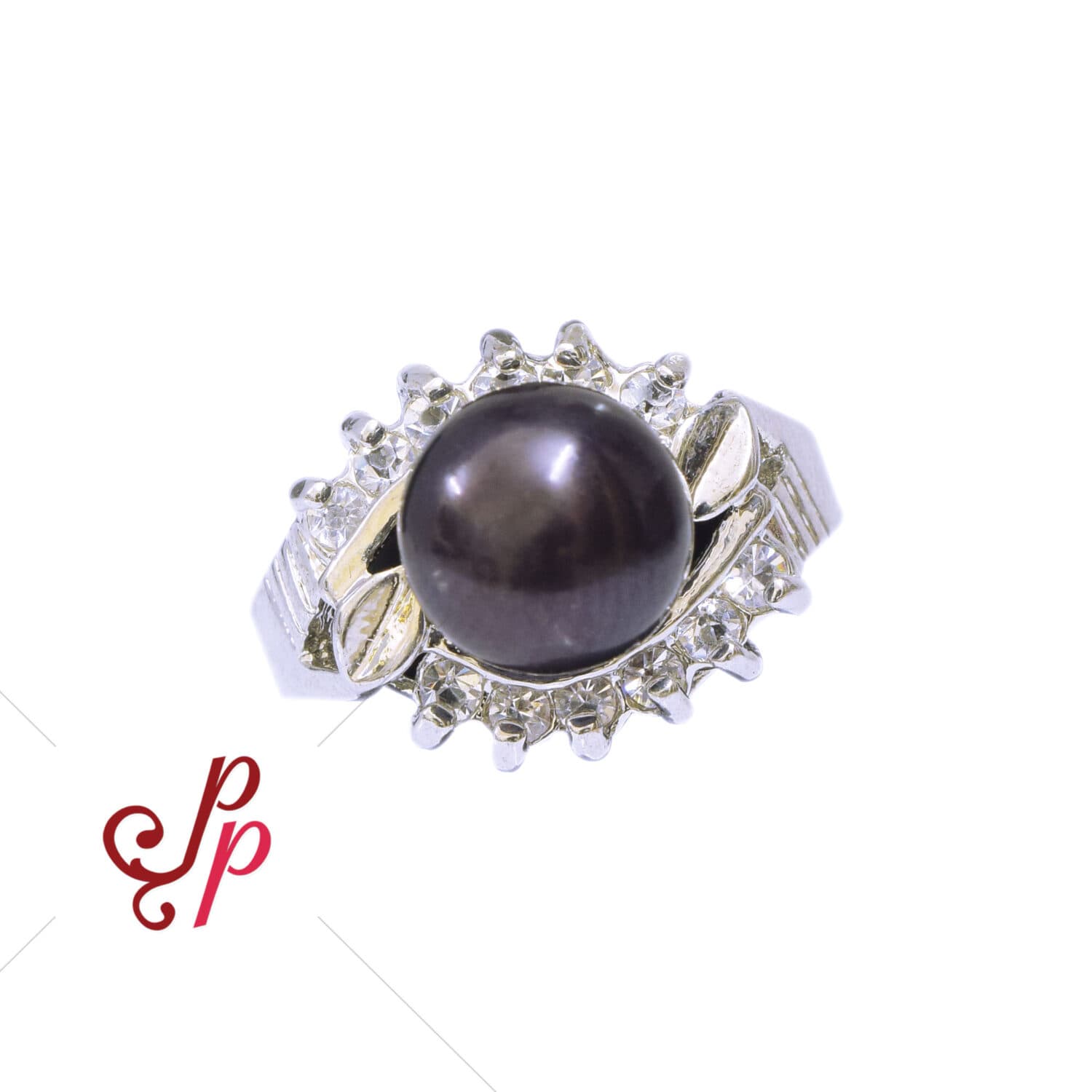
A real pearl grown in a farmed mollusc after a technician places an irritant inside it. Essentially every pearl on the market is cultured.
Dyed Pearl
A real pearl whose colour has been added after harvest. Standard practice, and entirely fine when it is disclosed.
95 in stock · from ₹400
Edison Pearl
A large bead-nucleated freshwater pearl grown in China, reaching South Sea sizes at freshwater prices.
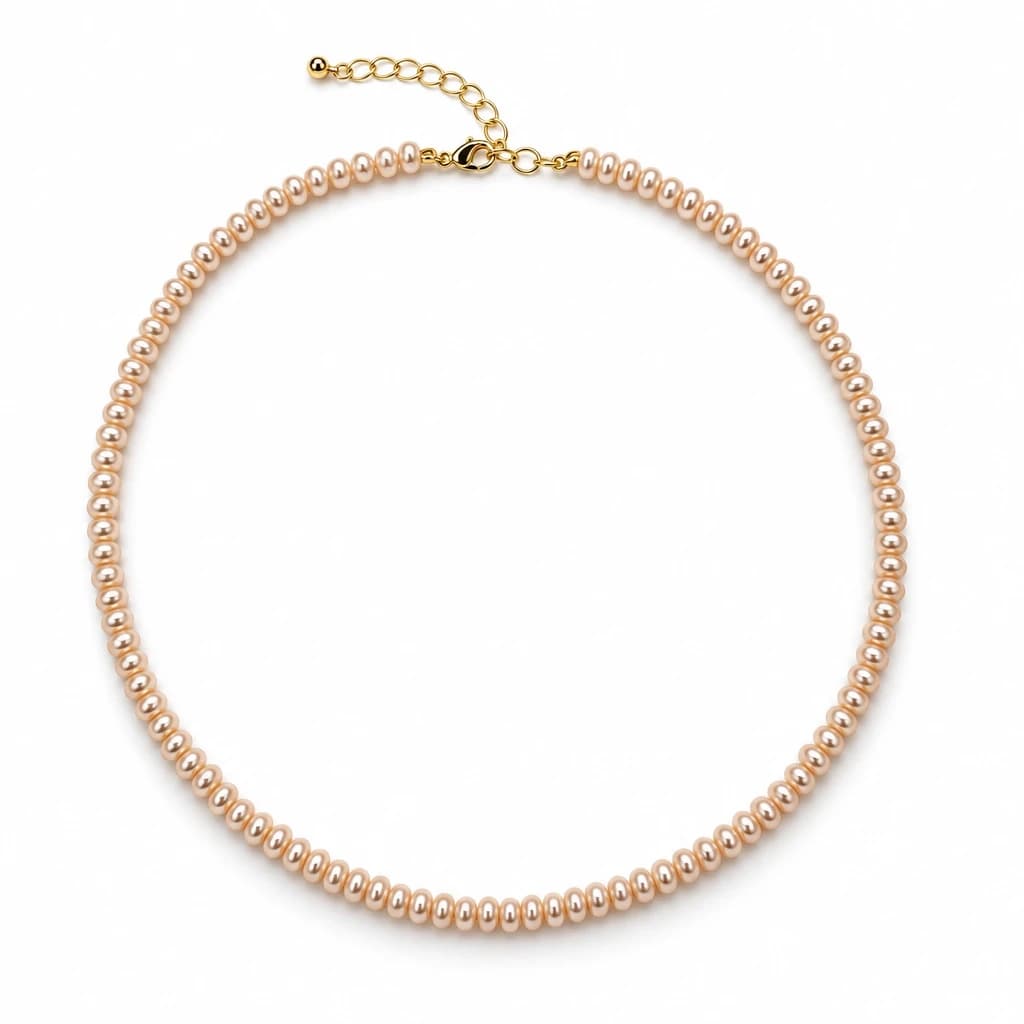
Exotic Pearl Colours
Pearls outside the white and cream range: pink, peach, lavender, grey, golden, blue, green and multi-shaded strands.
70 in stock · from ₹3,300
Fireball Pearl
A freshwater pearl with a comet-like tail, formed when the mussel partly rejects the bead.
Freshwater Pearl
A pearl grown inside a mussel in a river or lake, rather than an oyster in the sea. Most pearl jewellery sold today is freshwater.
923 in stock · from ₹400
Imitation Pearl
A glass or plastic bead with a pearlescent coating. No nacre, no mollusc, no pearl.
Kasumi Pearl
A large freshwater pearl from Lake Kasumigaura in Japan, known for soft metallic apricot and lavender tones.
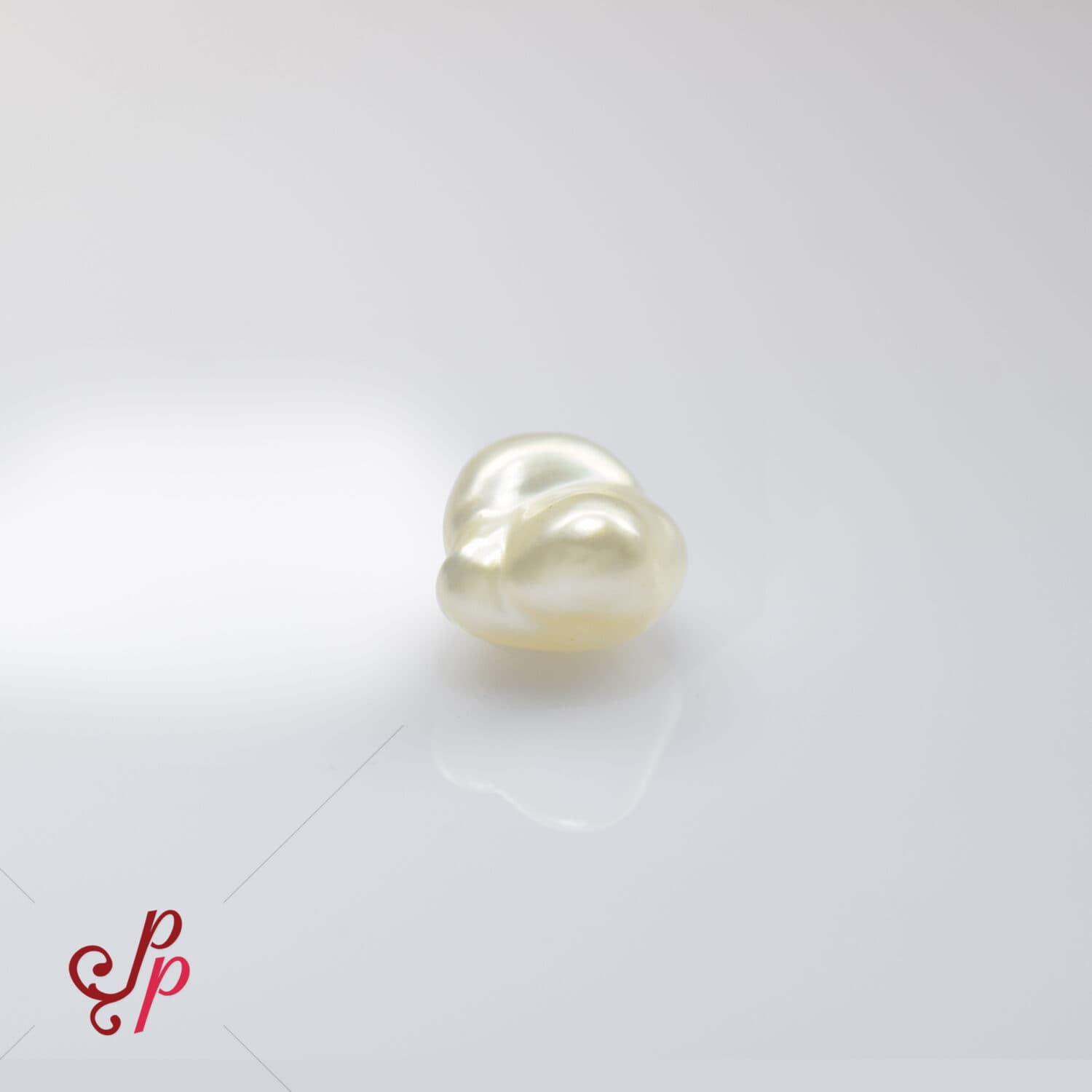
Keshi Pearl
A pearl that forms by accident with no nucleus at all, so it is solid nacre. Irregular in shape and unusually bright.
1 in stock · from ₹18,200
Mabe Pearl
A half-dome pearl grown against the inside of the shell rather than free in the tissue. Flat-backed, so it suits rings and pendants.
Melo Pearl
A rare orange non-nacreous pearl from the Melo melo sea snail of Southeast Asia. Flame-patterned, like a conch pearl.
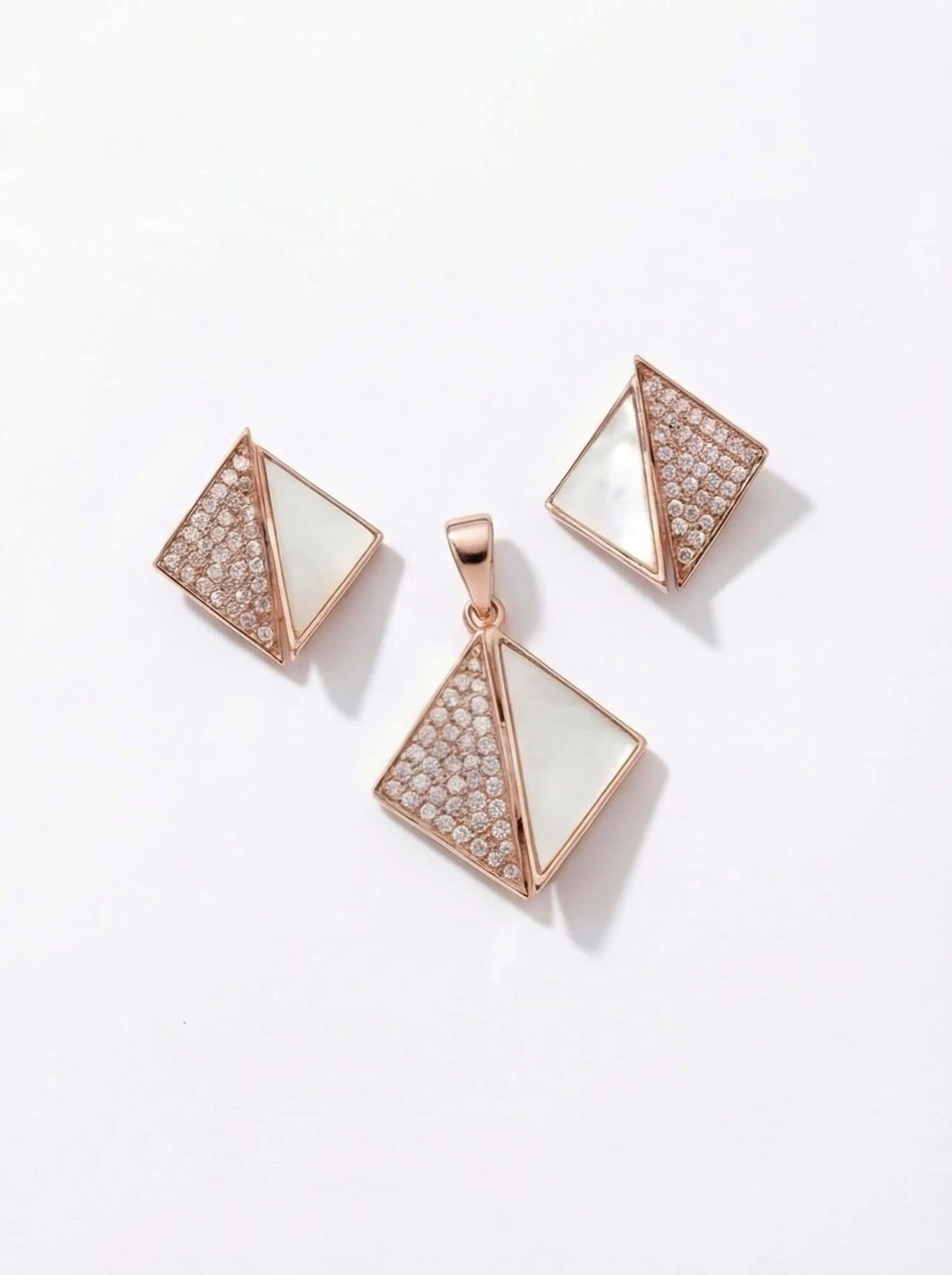
Mother of Pearl
The iridescent nacre lining of a mollusc shell. The same material as a pearl, but formed as a sheet rather than a bead.
14 in stock · from ₹2,500
Natural Pearl
A pearl that formed with no human involvement at all. Vanishingly rare, and effectively absent from the retail market.
Nucleation
The operation that starts a cultured pearl: inserting a bead, a piece of mantle tissue, or both.
Paua Pearl
A rare blue-green pearl from the New Zealand paua, an abalone. Almost always a cultured half-pearl rather than a whole one.
Pearl Farming
Growing pearls deliberately: nucleating molluscs, tending them in water for months or years, then harvesting.
Pearl Sac
The pocket of tissue that forms around an implant inside a mollusc and secretes nacre onto it.
Pinctada
The genus of marine oysters that produces every commercially important saltwater pearl.