

Dyed Pearl
A real pearl whose colour has been added after harvest. Standard practice, and entirely fine when it is disclosed.
Nacre takes dye readily, so black, peacock, chocolate and vivid fashion colours are usually the result of treatment rather than growth.
Naturally coloured pearls exist. Golden South Sea, dark Tahitian and the soft pinks, peaches and lavenders that freshwater mussels produce on their own are all natural body colours.
The tell for dye is uniformity. Natural colour varies subtly along a strand and often concentrates near the drill hole; dye tends to sit evenly and can pool darker inside the hole.
When you are buying
Dyed pearls are legitimate jewellery and cost far less than naturally coloured equivalents. The only thing to insist on is that the seller tells you which one you are getting.
Coloured pearl jewellery
95 pieces in the collection right now, from ₹400.
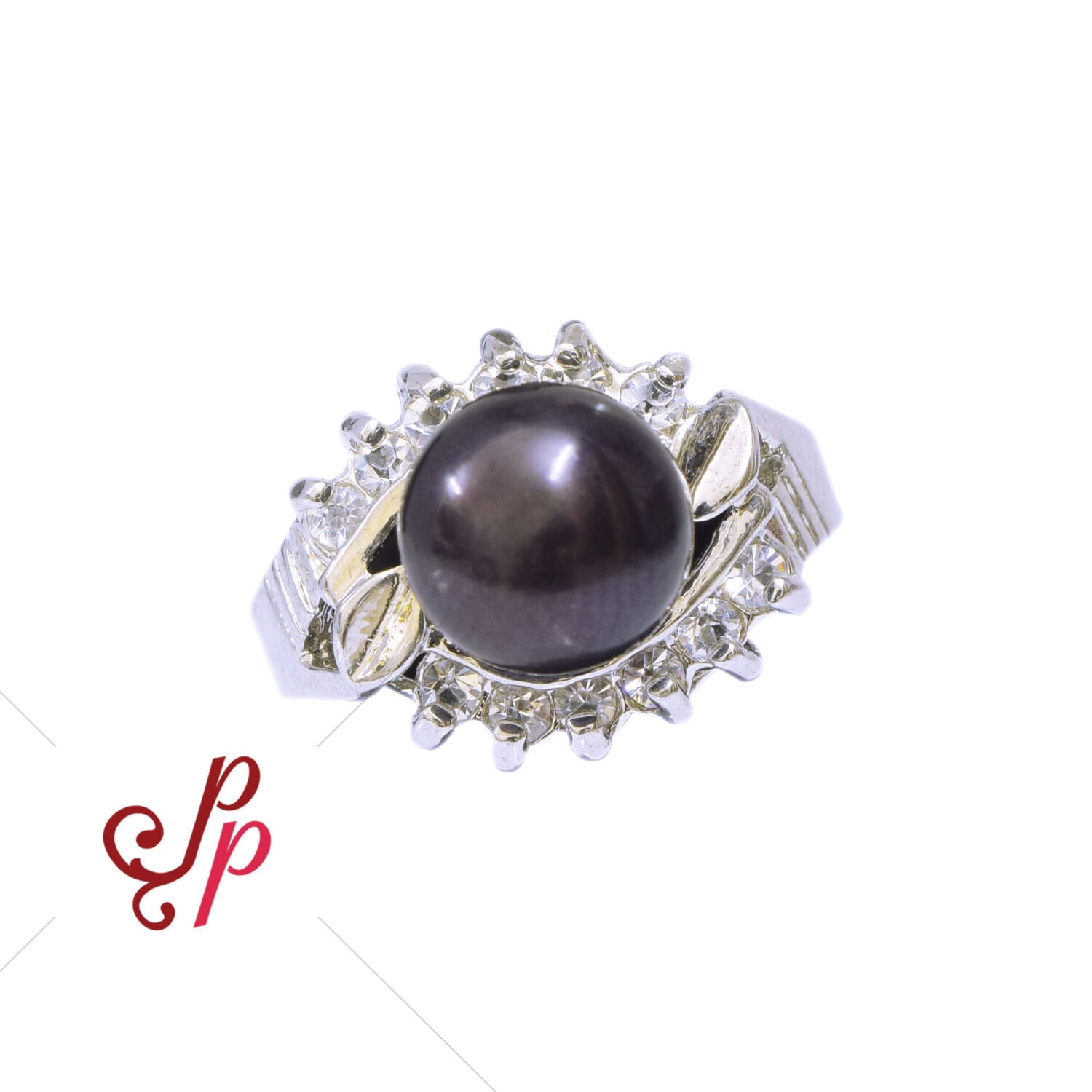
Pearl finger ring in black pearl for women
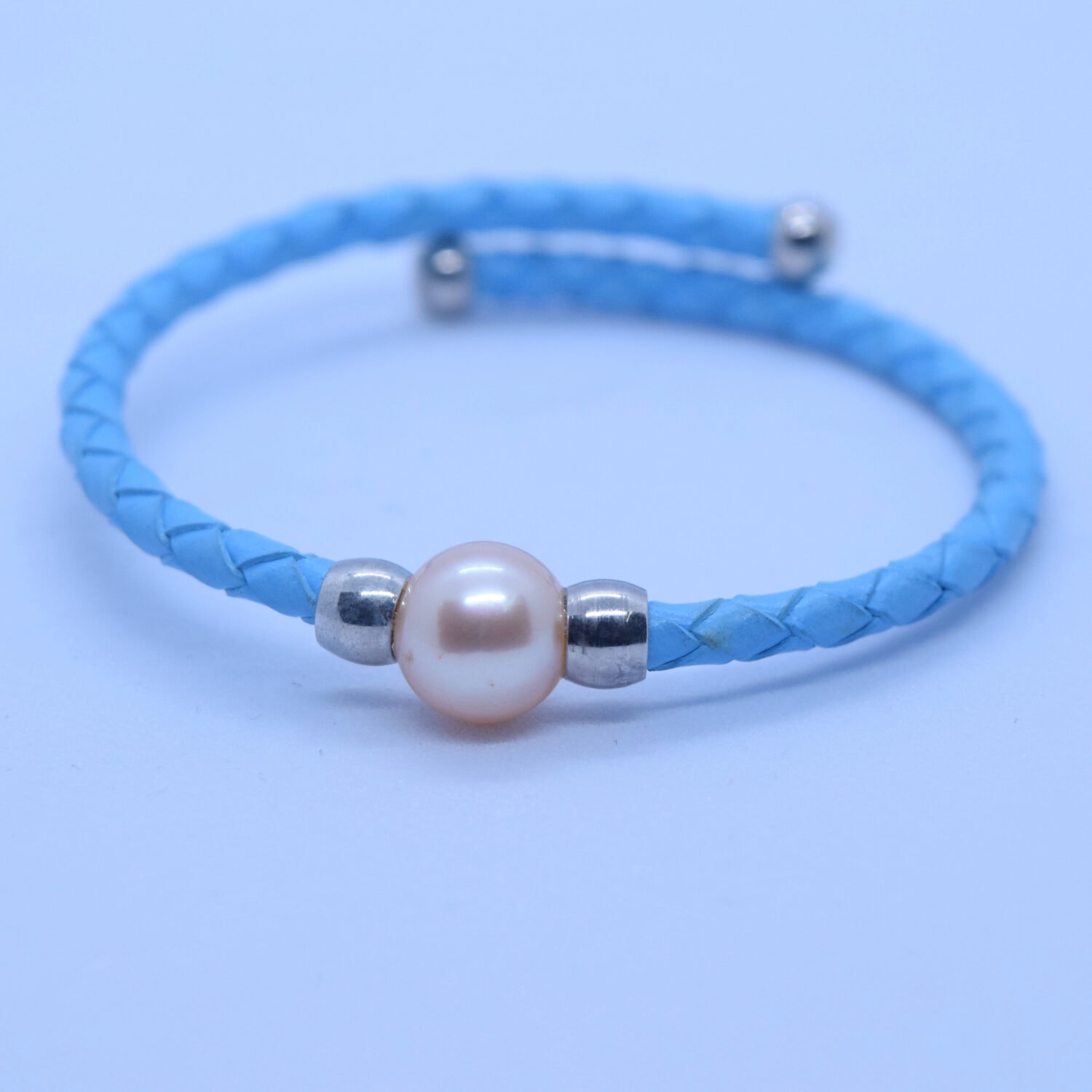
Bright Sky-Blue Faux-leather & Peach Pearl Bracelet
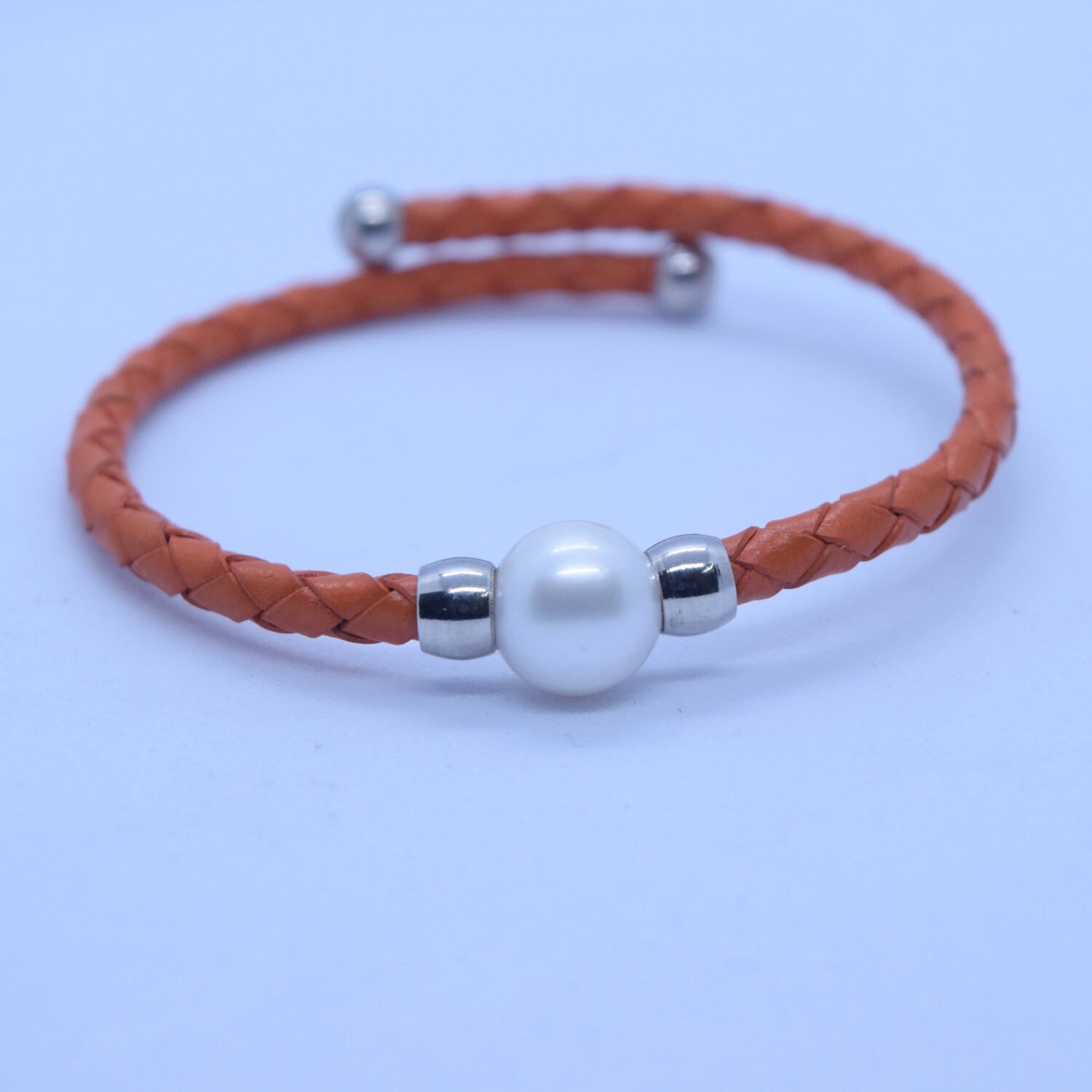
Fun Orange Faux-leather & White Pearl Bracelet
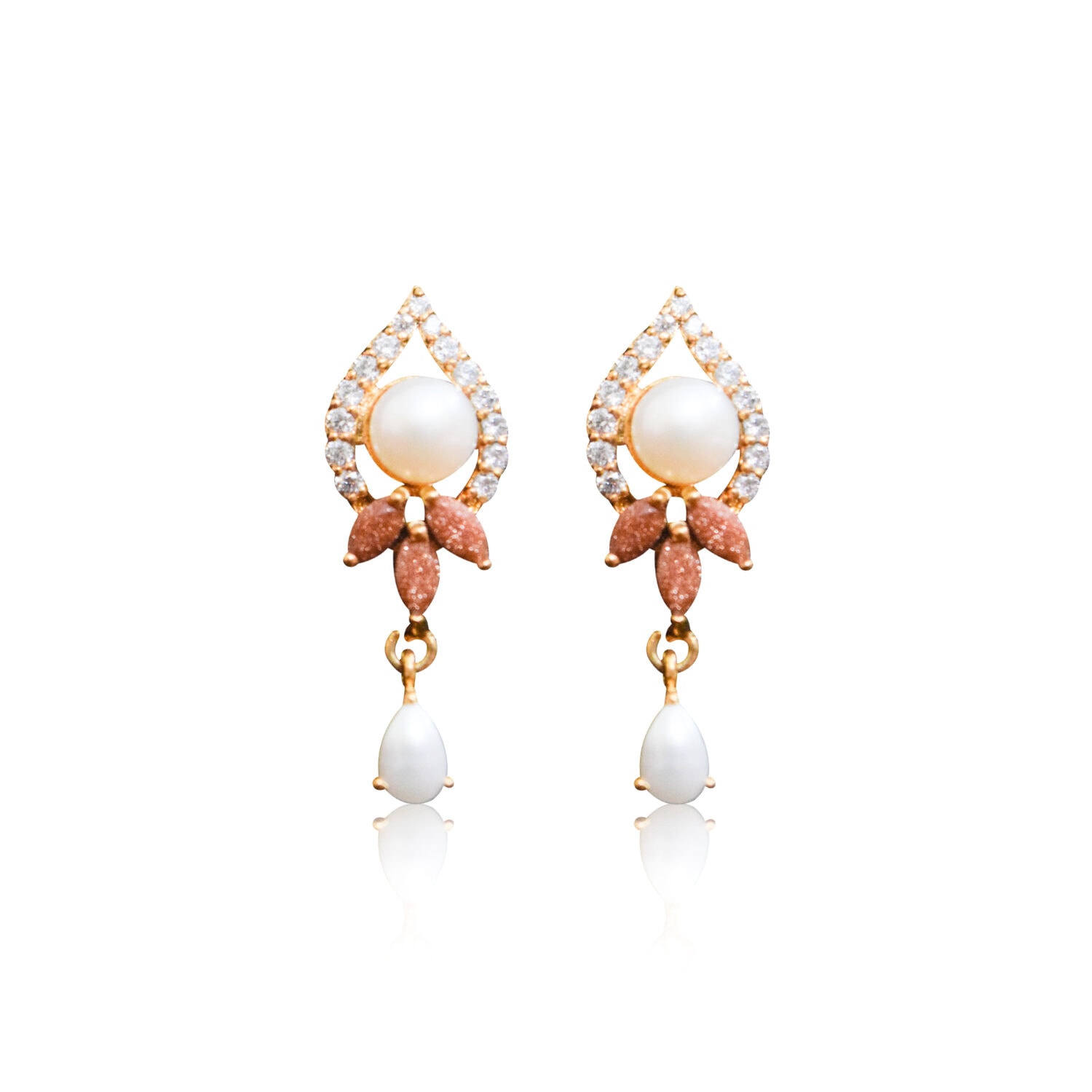
Pretty Pearl Hangings in Brown Sand Stones
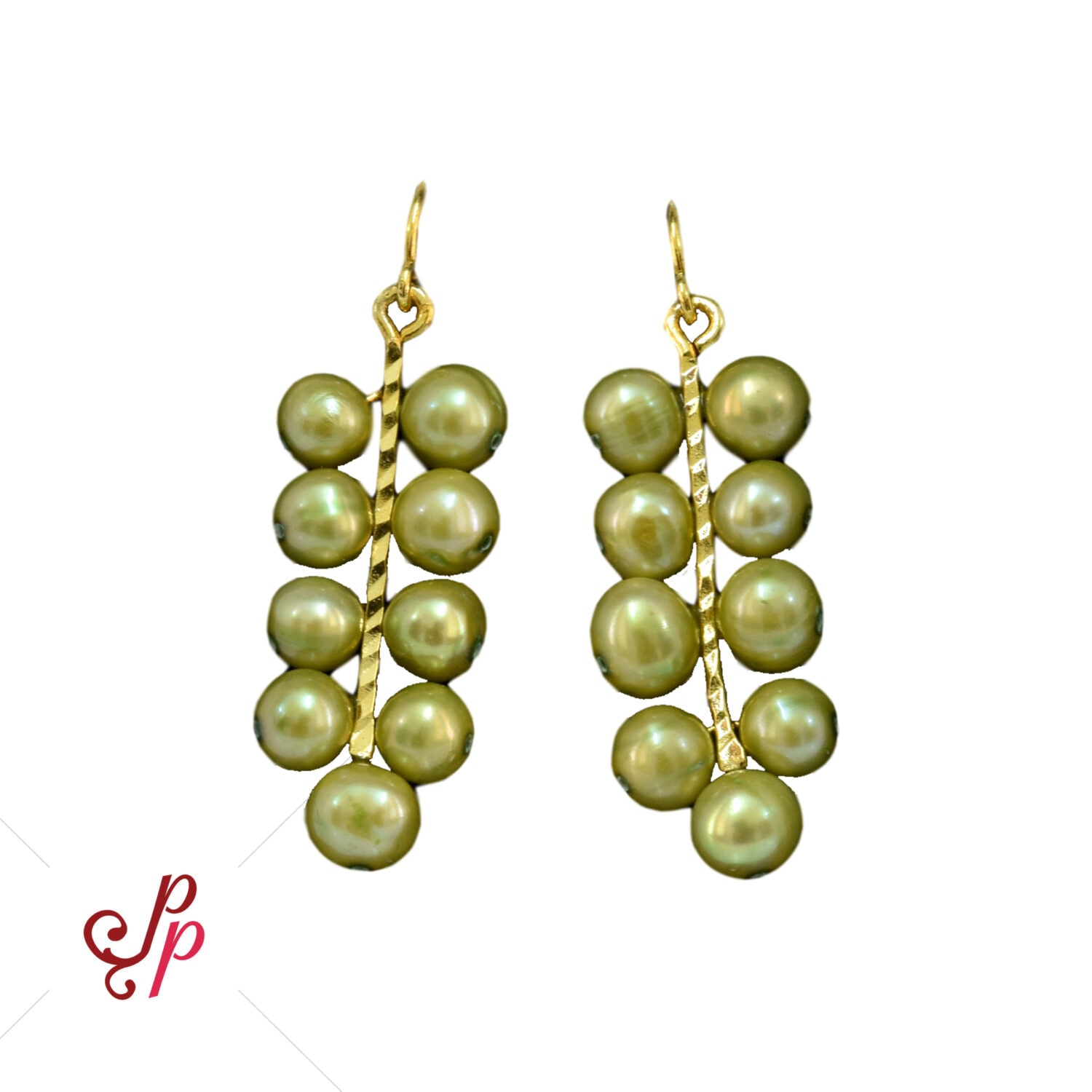
Stylish Pearl Hangings in Green Peas Coloured Pearls
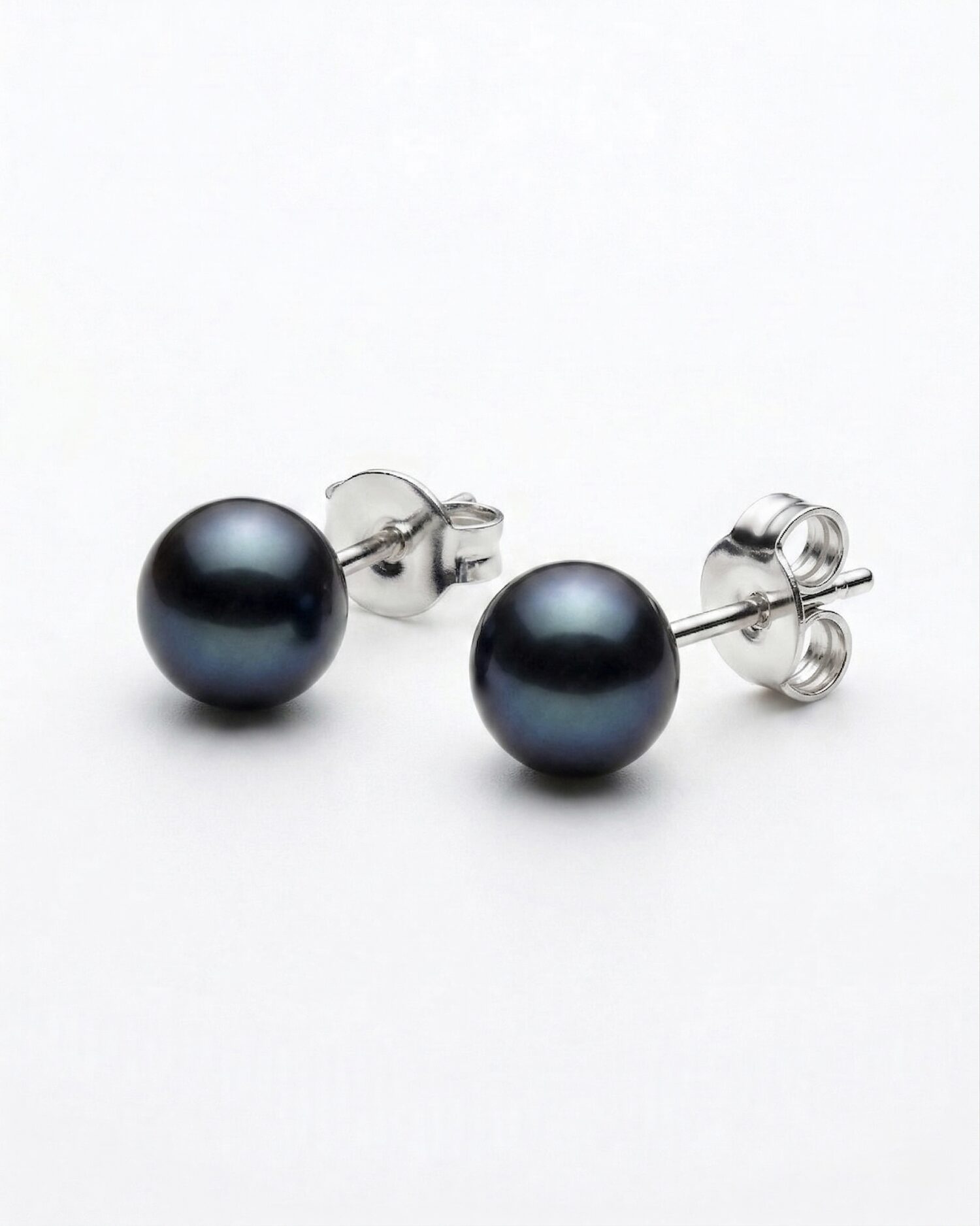
Classic Black Pearl Studs with 925 Silver Stem
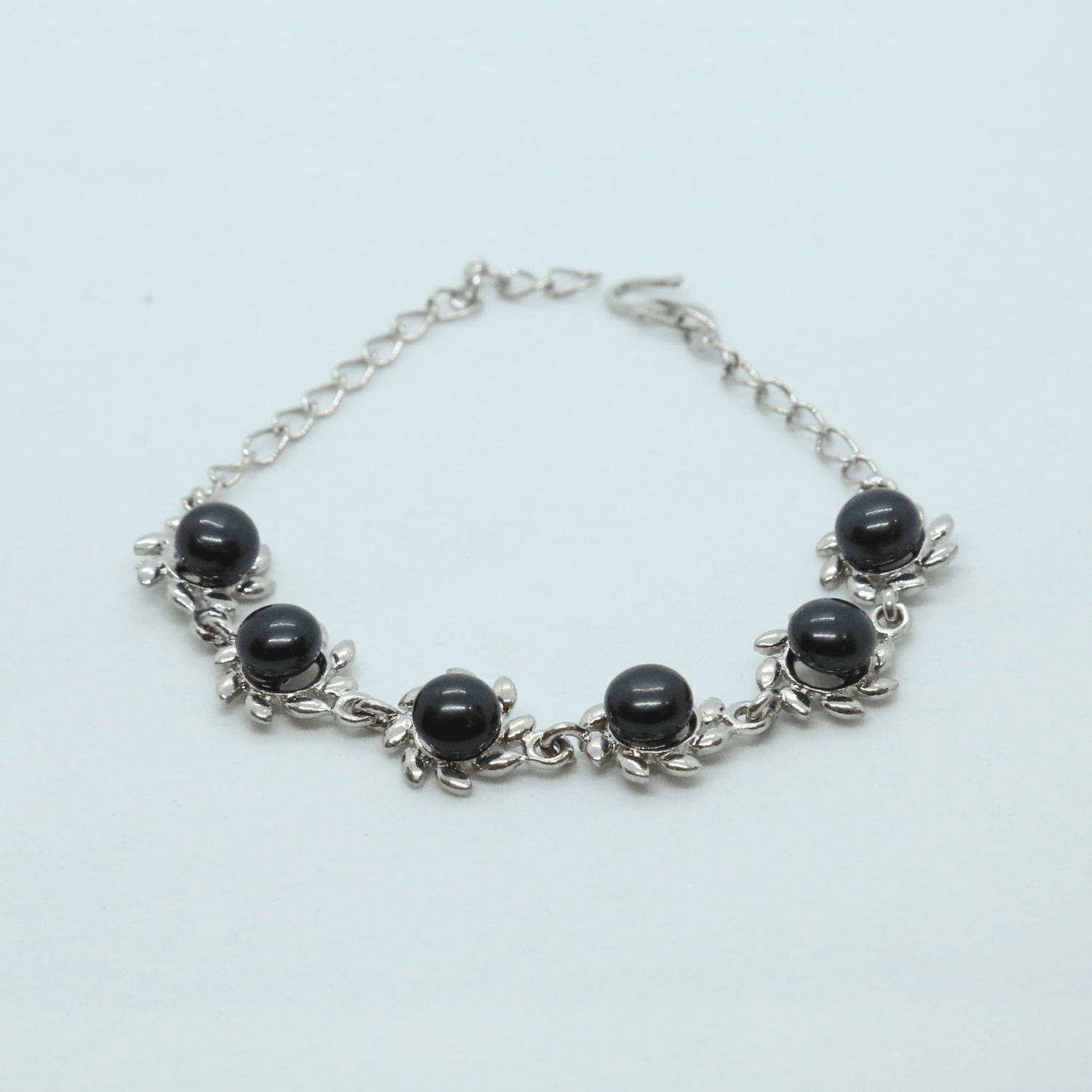
Floral Blue Button Pearls Bracelet In Silver Finish
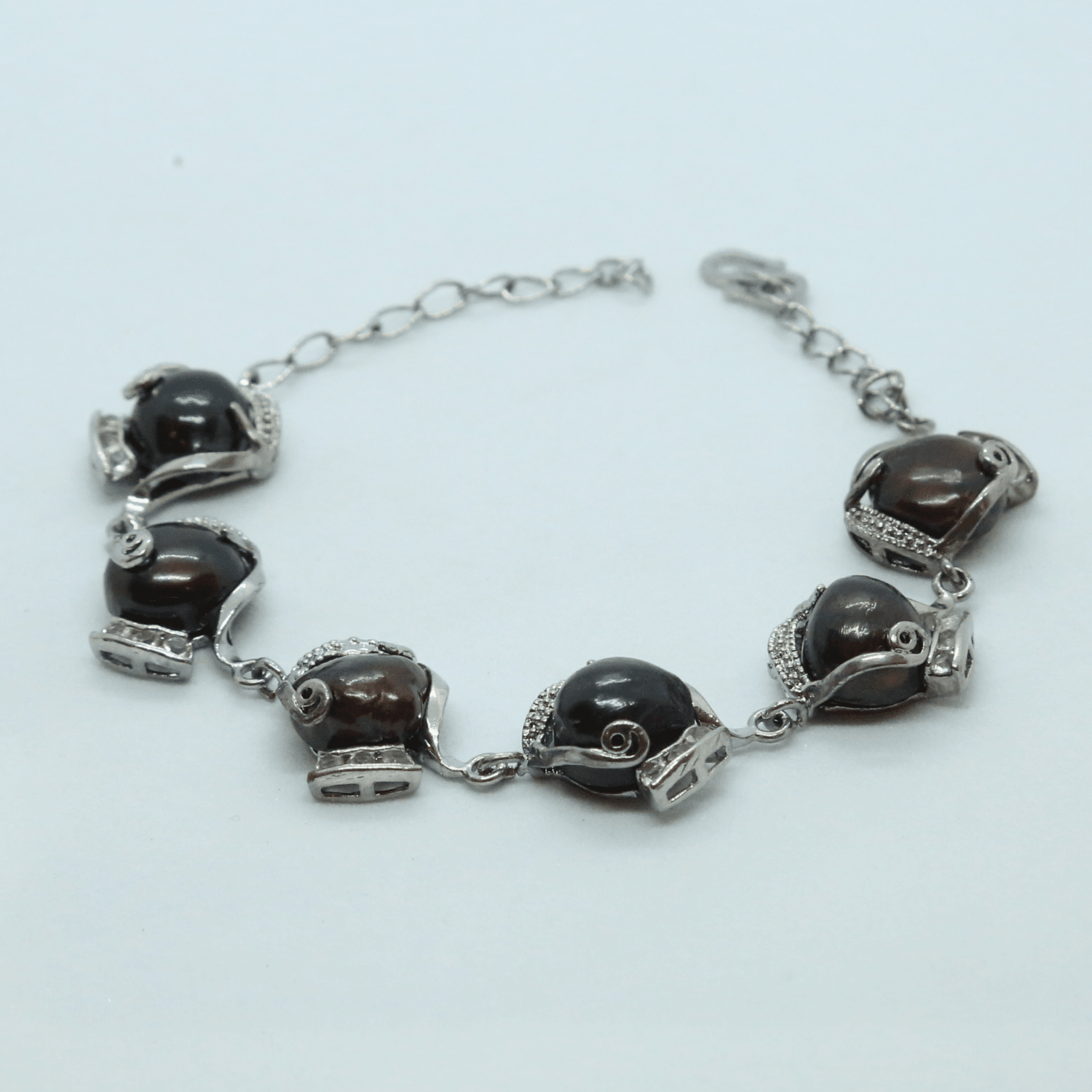
Bold Black & Brown Baroque Pearls Bracelet
Tahitian Pearl
A naturally dark saltwater pearl from the black-lipped oyster of French Polynesia. Grey to near-black, with green, aubergine or peacock overtones.
Body Colour
A pearl's dominant underlying colour, before any overtone is considered.
Overtone
A translucent secondary colour lying over a pearl's main body colour, most often rose, silver or green.
Exotic Pearl Colours
Pearls outside the white and cream range: pink, peach, lavender, grey, golden, blue, green and multi-shaded strands.