


South Sea Pearl
The largest commercially grown pearl, from the gold-lipped or silver-lipped oyster. Typically 9mm to 16mm, white to deep gold.
South Sea pearls come from Pinctada maxima, farmed across Australia, Indonesia, Myanmar and the Philippines. The oyster is enormous, which is what allows pearls in sizes freshwater mussels never reach.
They grow slowly, taking two to four years, and that time on the farm builds unusually thick nacre for a bead-nucleated pearl. The result is a soft, deep, almost satiny glow rather than the sharp mirror finish of a smaller Akoya.
Colour runs from silvery white through cream to a rich natural gold. Golden South Sea pearls of good saturation are the most expensive pearls in regular commerce.
When you are buying
This is the pearl used for single-pendant and finger-ring pieces where one pearl has to carry the design, and it is the pearl most often specified for astrological wear. Expect to pay per pearl, not per strand.
South Sea pearls
102 pieces in the collection right now, from ₹7,245.

4.025 Carat (4.47 Ratti) Golden South Sea Pearl - 8.1mm Round, AA Quality

4.06 Carat (4.51 Ratti) Golden South Sea Pearl - 8.1mm Round, AA Quality

3.76 Carat (4.18 Ratti) Golden South Sea Pearl - 7.9mm Round, AAA Quality

5.125 Carat (5.69 Ratti) Golden South Sea Pearl - 9.1mm Oval, A Quality
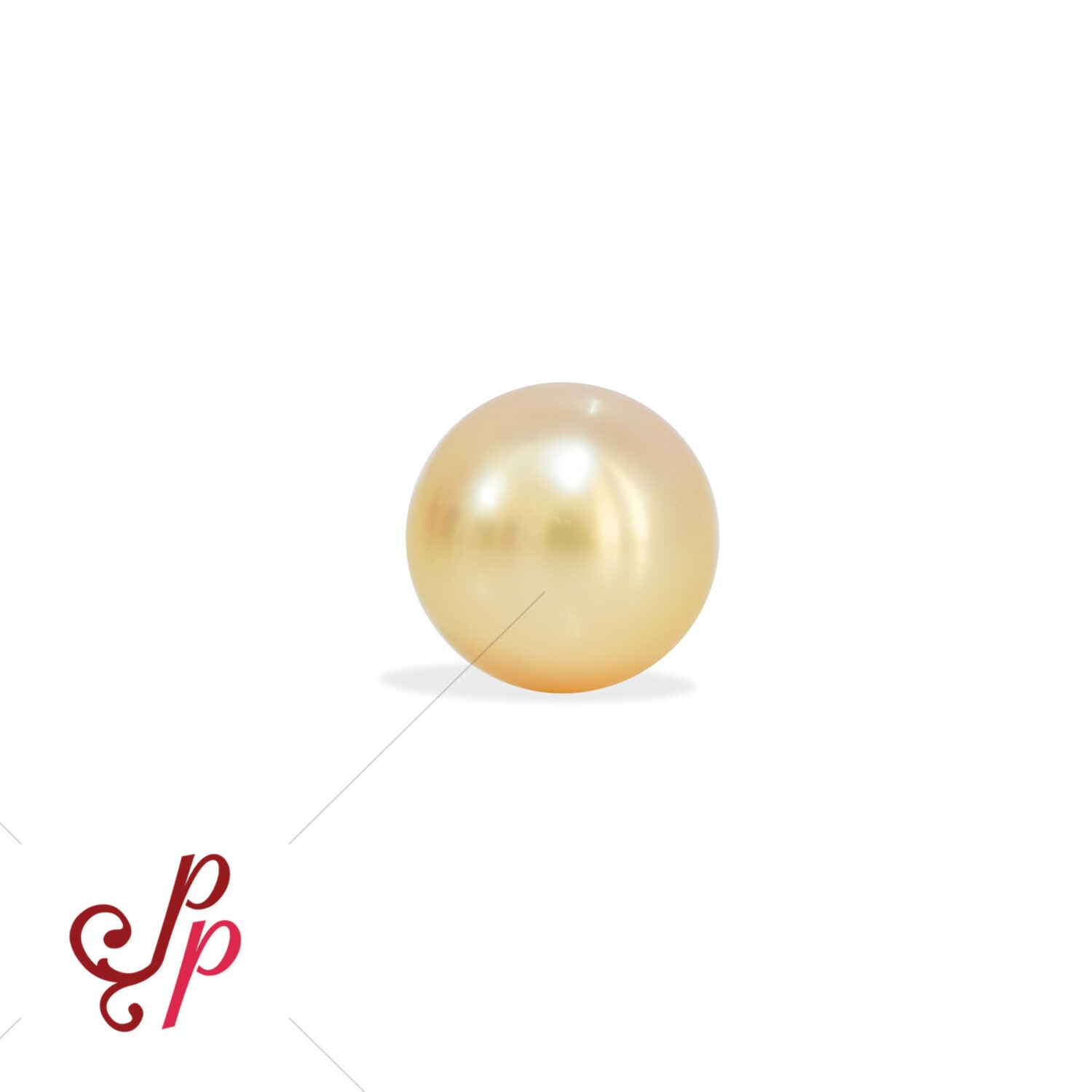
5.5 Carats - 9 Ratti genuine south sea pearl

4.37 Carat (4.86 Ratti) Golden South Sea Pearl - 8.3mm Round, AA Quality

3.96 Carat (4.4 Ratti) Golden South Sea Pearl - 8.1mm Round, AAA Quality

4.185 Carat (4.65 Ratti) Golden South Sea Pearl - 8.1mm Round, AAA Quality
Saltwater Pearl
A pearl grown in an oyster in the sea. Rounder and rarer than freshwater, and considerably more expensive.
Tahitian Pearl
A naturally dark saltwater pearl from the black-lipped oyster of French Polynesia. Grey to near-black, with green, aubergine or peacock overtones.
Akoya Pearl
The classic small round white saltwater pearl from Japan and China, usually 5mm to 9mm. The pearl in a traditional single-strand necklace.
Moti
The Hindi word for pearl, and in Vedic astrology the gemstone of the Moon, worn to strengthen Chandra.
Dosham-Free Pearl
A pearl free of the specific flaws that Vedic astrology considers inauspicious: cracks, pits, spots and irregular colour.